

Learn how to choose the right JCB track parts by checking machine models, dimensions, undercarriage compatibility, mater...
JCB machines are designed to handle demanding jobs across construction sites, road projects, excavation areas, quarries, and agricultural environments. However, working in rough conditions puts additional pressure on machine components. Dust, mud, uneven ground, heavy loads, high temperatures, and repeated impacts can accelerate wear and increase the risk of unexpected breakdowns.
Choosing the right JCB spare parts helps maintain machine performance, improve reliability, and reduce unnecessary downtime. Components such as hydraulic filters, engine air filters, bucket teeth, pins and bushes, undercarriage parts, and cooling system components deserve particular attention when a machine operates in challenging environments.
In this blog, we will explore the best JCB parts to inspect and replace for rough working conditions, how to select suitable components, and what maintenance practices can help extend their service life.
Bucket teeth and cutting edges experience direct contact with the ground during digging, excavation, and material handling. When a JCB machine works on rocky surfaces, compacted soil, or abrasive materials, these components can wear down faster than usual.
Worn teeth reduce digging efficiency and may increase the force required to penetrate the ground. Damaged cutting edges can also affect how effectively the bucket collects material.
Parts to consider:
When selecting replacement parts, check the bucket design, mounting arrangement, material specifications, and intended application. Inspect teeth and cutting edges regularly, and replace them when they reach the recommended wear limits.
Choosing suitable ground-engaging tools can help maintain digging performance and protect the bucket from excessive wear.
Dust is one of the major challenges for construction equipment operating on dry roads, demolition sites, and open excavation areas. Fine particles can enter the engine intake if the filtration system is damaged, incorrectly fitted, or not maintained according to the service schedule.
Engine air filters help prevent dust and other contaminants from reaching sensitive engine components. Inadequate filtration can contribute to internal wear, reduced engine efficiency, and expensive repairs.
What to check when choosing an air filter:
Machines operating in very dusty conditions may require more frequent inspections than machines working in cleaner environments. Follow the manufacturer's maintenance guidance rather than relying on a fixed replacement interval for every job site.
JCB hydraulic systems provide the force needed for digging, lifting, steering, and operating attachments. These systems work under pressure, making cleanliness and component compatibility essential.
Dust, moisture, and other contaminants can affect hydraulic oil quality and contribute to wear in pumps, valves, cylinders, and other components. A damaged or unsuitable filter may not provide the required protection.
Important parts to inspect include:
Select filters and hydraulic replacement parts according to the machine's specifications. Using the correct filter helps maintain suitable filtration and system performance.
Inspect hoses for cracks, abrasion, swelling, and leakage. If hydraulic movement becomes slow or inconsistent, arrange a proper diagnosis instead of assuming that the filter alone is responsible.
Never check suspected hydraulic leaks with bare hands. High-pressure hydraulic fluid can penetrate the skin and cause serious injuries.
Pins and bushes connect moving parts in the boom, dipper, bucket, and other linkage assemblies. They support movement while transferring substantial loads during excavation and material handling.
Repeated movement, heavy loads, inadequate lubrication where required, and abrasive contamination can cause these components to wear. Excessive clearance may lead to knocking sounds, inaccurate movement, and additional stress on connected parts.
Replacement parts to consider:
When purchasing replacements, verify dimensions, material specifications, hardness requirements, and compatibility with the relevant joint.
Inspect connected components as well. Installing new pins and bushes into severely worn mounting points may not resolve excessive movement. Timely inspection and correct lubrication can help control wear and support smooth machine operation.
Tracked JCB machines often operate on uneven terrain, loose soil, rocky surfaces, and muddy construction sites. These conditions place repeated stress on the undercarriage.
Depending on the machine design, important components may include rubber tracks, track chains, sprockets, rollers, idlers, track shoes, and tensioning components.
Common warning signs include:
Choose replacement parts based on the exact machine model, track specifications, and operating conditions. Inspect the complete undercarriage before replacing an individual component because related parts can wear together.
Maintain the track tension specified by the manufacturer. Both excessive and insufficient tension can contribute to premature wear or operating problems.
For wheeled JCB machines, inspect the relevant tyres, wheels, steering components, and chassis parts instead of assuming that tracked undercarriage components apply.
Long operating hours and heavy workloads make regular engine maintenance particularly important. Engine oil, fuel, and lubrication filters help control contamination and protect components against premature wear.
A clogged or incorrectly specified filter can interfere with the intended flow or filtration performance. Poor fuel filtration may also allow contaminants to reach sensitive fuel system components.
Essential service parts include:
Always confirm the required filter type and lubricant specification for the particular machine. Do not select a replacement based only on its physical appearance.
Follow the service schedule and adjust inspection frequency according to operating conditions where the manufacturer permits. Replacing filters on time is generally more cost-effective than dealing with preventable damage to major components.
Rough working conditions frequently involve high temperatures, dust, and long periods of continuous operation. These factors can make engine cooling particularly important, especially when a machine operates under heavy loads.
Dust and debris can restrict airflow through the radiator and cooling package. Damaged hoses, weak belts, faulty fans, or cooling system leaks can also affect temperature control.
Parts to inspect include:
Inspect the cooling package regularly and clean it according to the manufacturer's instructions. Check coolant levels, hoses, belts, and visible signs of leakage.
If the machine repeatedly overheats, identify the cause before replacing parts. Continuing to operate an overheating engine can lead to serious damage.
Hydraulic cylinders and hoses are exposed to pressure, movement, vibration, and environmental contaminants. In rough conditions, hoses may rub against nearby components, while exposed cylinder rods can encounter dust and abrasive material.
Damaged seals may allow hydraulic fluid to leak or reduce the cylinder's ability to hold or move a load correctly. Worn hoses can also create reliability and safety concerns.
Parts that may require replacement:
Check hose routing, external abrasion, leakage, and cylinder rod condition during routine inspections. Use correctly rated hoses and compatible seals that meet the machine's requirements.
Hydraulic repairs should be performed by trained personnel using the correct depressurisation and safety procedures.
Construction sites expose electrical systems to dust, vibration, moisture, and temperature changes. These conditions can contribute to loose connections, damaged wiring, and problems with starting or machine controls.
Important electrical components to inspect include the battery, starter motor, alternator, wiring harnesses, connectors, and relevant switches or sensors.
Before replacing an electrical part, check the battery condition, cable connections, fuses, and charging system as appropriate. Starting problems, warning lights, or intermittent operation may have several possible causes.
Select replacement components that match the machine's electrical specifications and connector arrangement. Correct fitment is important for dependable operation.
Choosing suitable replacement parts requires more than looking for a product described as heavy-duty. The part must meet the machine's technical requirements and be appropriate for its actual working environment.
Use the following checklist before purchasing:
Gropart provides spare parts for tractors, JCB machines, threshers, and other agricultural machinery applications. When sourcing JCB replacement parts, confirm the machine model and component specifications to help ensure correct fitment.
Even suitable replacement parts require proper maintenance. A consistent inspection routine can help detect small problems before they develop into major failures.
Always shut down the machine and follow the manufacturer's safety procedure before carrying out inspections or repairs. Use qualified technicians for hydraulic, electrical, and structural work where necessary.
The best JCB parts for rough working conditions are those that match the machine's specifications and can perform reliably in its intended application. Bucket teeth, cutting edges, air filters, hydraulic filters, pins and bushes, undercarriage components, cooling system parts, seals, hoses, and electrical components all deserve attention when equipment operates under demanding conditions.
Regular inspections, correct lubrication, timely filter replacement, and accurate part identification can help reduce avoidable breakdowns and maintenance expenses. Instead of replacing parts based only on price or appearance, assess the actual fault and select compatible components that meet the manufacturer's requirements.
With the right replacement parts and a consistent maintenance routine, operators can help keep JCB machines productive, dependable, and ready for demanding job-site work.
शेयर करें:
Learn how to choose the right JCB track parts by checking machine models, dimensions, undercarriage compatibility, mater...
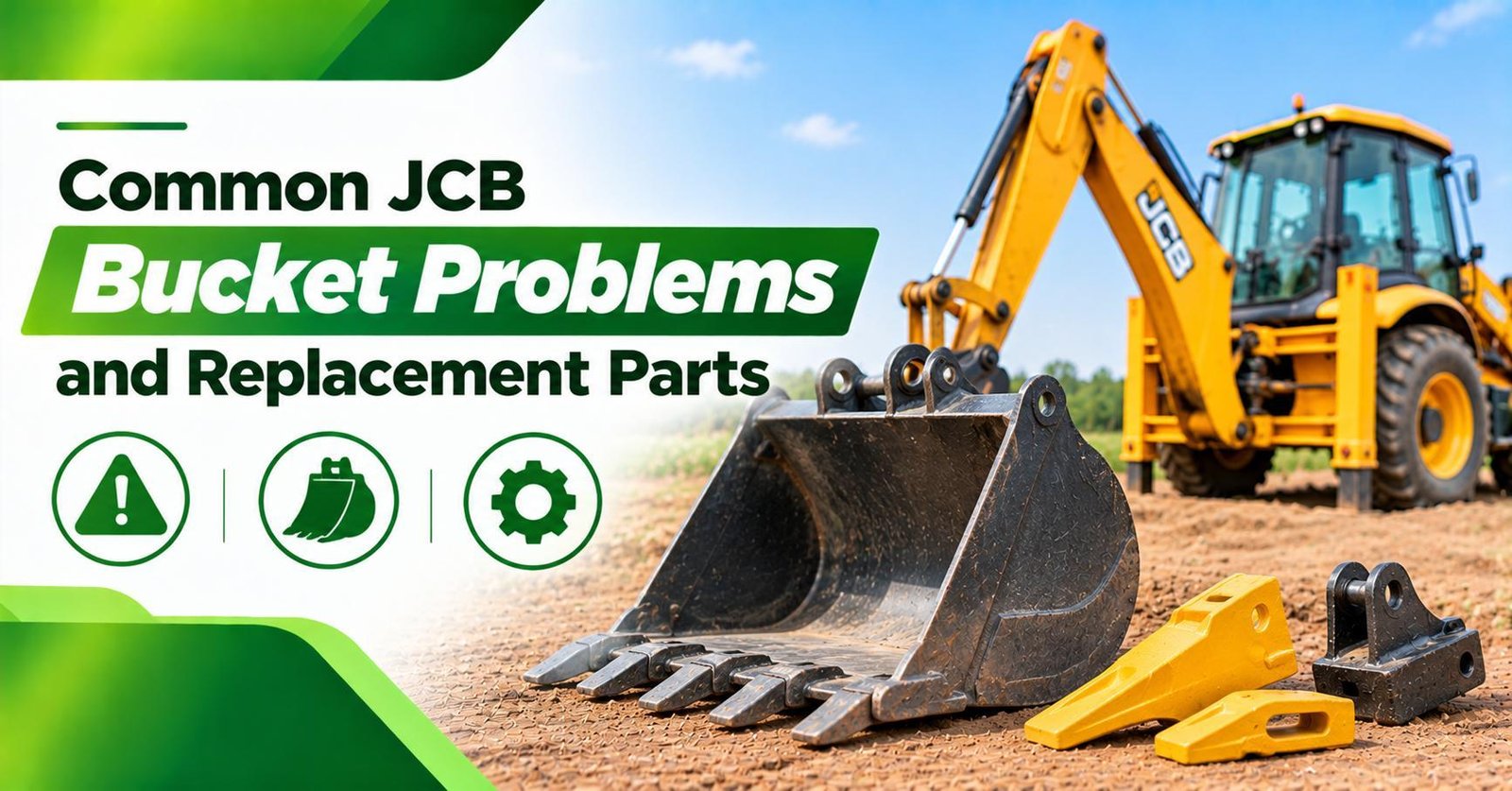
Learn about common JCB bucket problems, including worn teeth, damaged cutting edges, loose pins, hydraulic faults, and t...
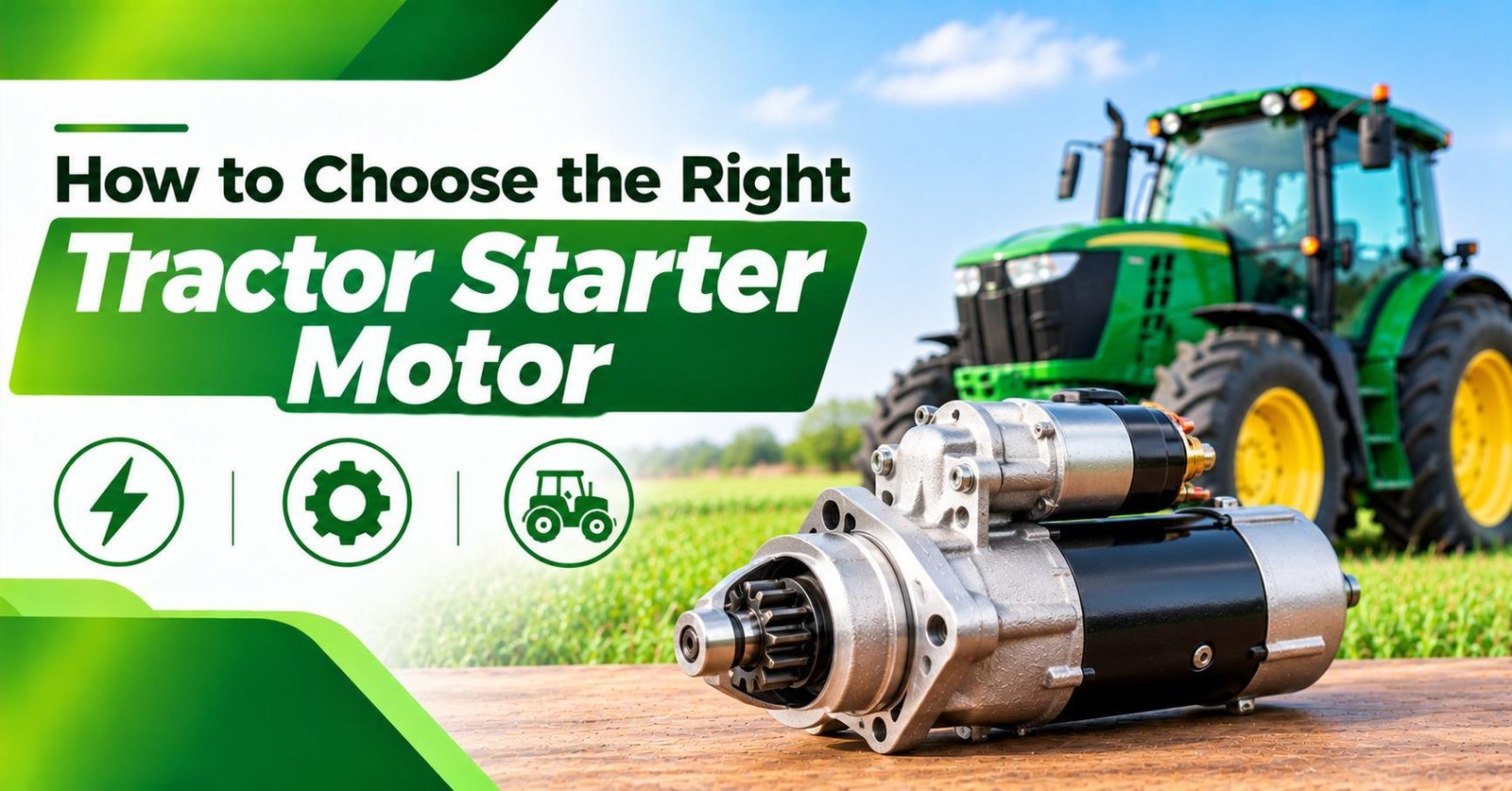
Learn how to choose the right tractor starter motor by checking voltage, power rating, mounting design, drive gear, elec...
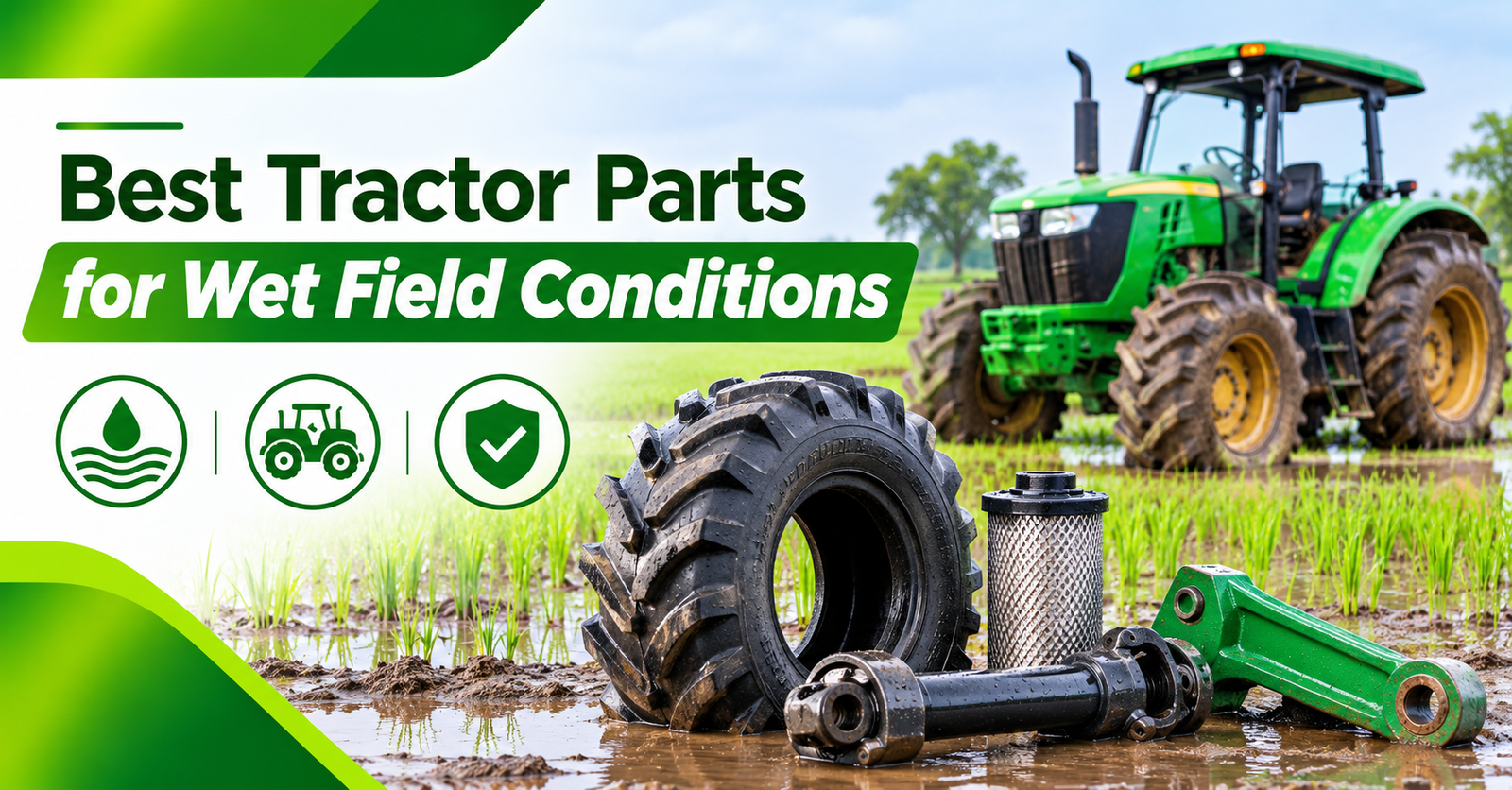
Discover the best tractor parts for wet field conditions, including tyres, bearings, seals, hydraulic hoses and brake co...