हमारे पास आपके लिए कुछ नीतियां हैं, कृपया ध्यान देवे
Welcome!
-कृपया हमारे साथ अपना खाता पंजीकृत करें
-पंजीकरण के बाद आप अपने पैकेज को ट्रैक कर सकते हैं
-चेकआउट के दौरान कृपया कूपन कोड लागू करें
-रोमांचक ऑफ़र प्राप्त करने के लिए नीचे अपना ईमेल पता दर्ज करें
COD उपलब्ध नहीं है। हम केवल प्रीपेड ऑर्डर में काम करते हैं और पूरे भारत में शिपिंग करते है. COD is not available. We work in prepaid orders only and shipping PAN India.
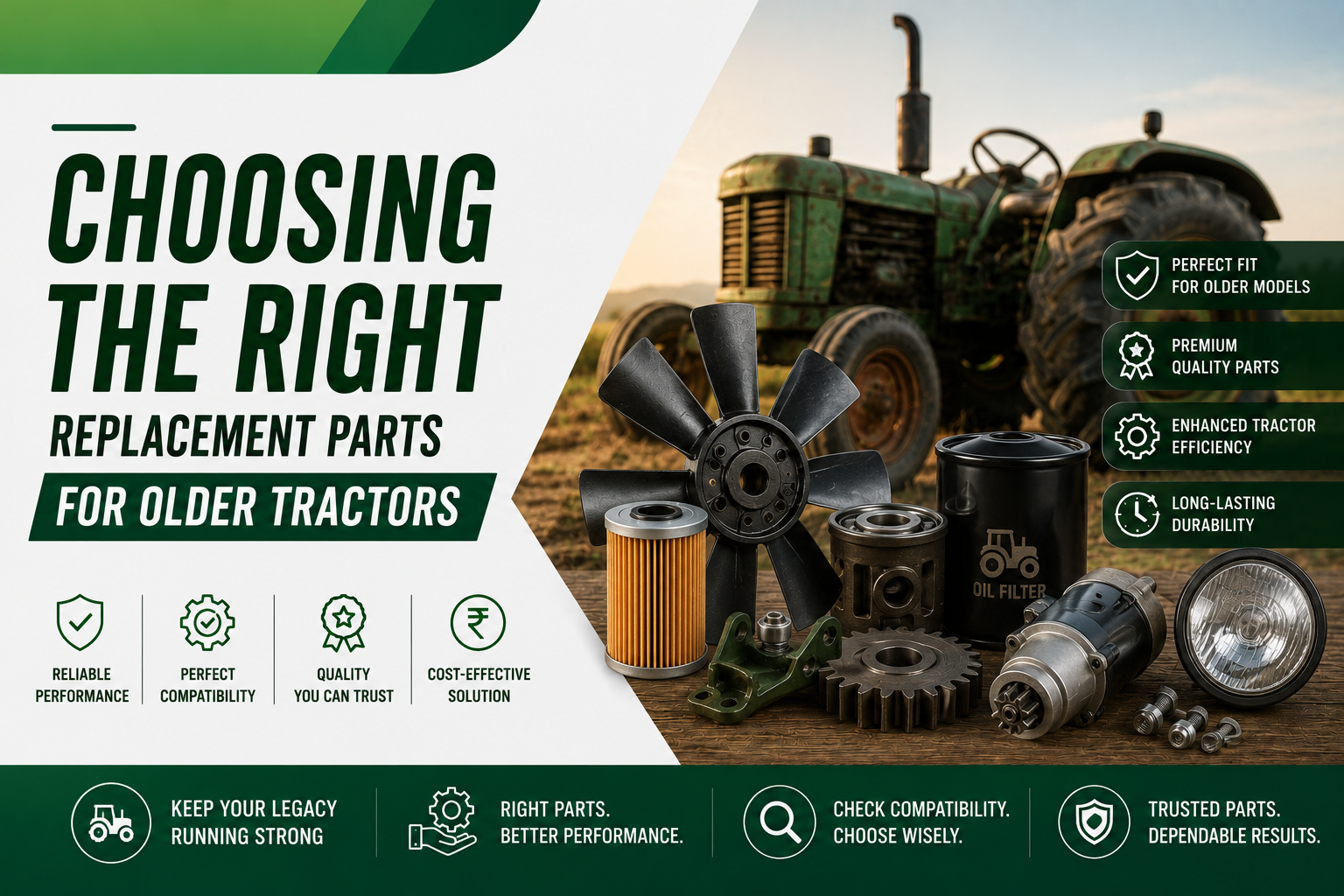
Older tractors continue to play an important role in farming operations across the country. Many farmers rely on tractors that have been working reliably for years, and in some cases, even decades. These machines have proven their durability, and with proper maintenance, they can continue delivering dependable performance for a long time. However, as tractors age, finding and selecting the right replacement parts becomes increasingly important.
Unlike newer models, older tractors often require extra attention because some components experience natural wear after years of operation. Replacing worn parts at the right time helps maintain performance, reduce downtime, and avoid expensive repairs. The challenge for many tractor owners is choosing replacement parts that offer the right balance of quality, compatibility, and long-term reliability.
Understanding what to look for when buying spare parts for older tractors can help farmers make better decisions and keep their machines running efficiently throughout the farming season.
Why Older Tractors Need Quality Replacement Parts
Every tractor experiences wear and tear over time. Continuous exposure to dust, heavy loads, rough fields, and changing weather conditions gradually affects mechanical components. While regular maintenance can slow down this process, some parts eventually need replacement to maintain proper performance.
Older tractors are especially dependent on quality replacement parts because many of their original components have already completed years of service. Installing the wrong part or choosing low-quality replacements can create new problems instead of solving existing ones.
Reliable spare parts help maintain:
Engine performance
Fuel efficiency
Hydraulic efficiency
Transmission reliability
Overall machine productivity
Choosing the correct replacement components ensures that an older tractor continues operating safely and efficiently.
Understand the Tractor’s Exact Requirements
Before purchasing any spare part, it is important to understand the tractor's exact specifications.
Many older tractor models may look similar, but their components can differ significantly. Even small variations in part dimensions, mounting points, or operating specifications can affect performance.
Farmers should always verify:
Tractor model number
Engine details
Manufacturing year
Existing part specifications
Compatibility information
Taking time to confirm these details helps avoid purchasing incorrect parts and reduces installation problems.
Avoid Choosing Parts Based Only on Price
One of the most common mistakes tractor owners make is selecting spare parts solely because they are cheaper.
Although low-cost parts may appear to save money initially, they often wear out faster and may not provide the same performance as quality components.
Poor-quality parts can lead to:
Frequent breakdowns
Increased maintenance costs
Reduced efficiency
Damage to surrounding components
In many cases, a higher-quality replacement part provides better value because it lasts longer and performs more reliably under demanding conditions.
Focus on Critical Tractor Systems
When maintaining an older tractor, certain systems deserve special attention because they directly affect machine performance.
The engine, transmission, hydraulic system, steering assembly, braking system, and electrical components all play a major role in daily operation.
Replacement parts for these systems should always meet proper quality standards to ensure dependable performance.
Paying attention to critical components helps prevent unexpected failures during important farming activities.
Check the Quality of Materials
The durability of a replacement part depends heavily on the materials used during manufacturing.
Strong materials help components withstand:
Heavy workloads
Continuous vibration
Dust exposure
High temperatures
Moisture and corrosion
When evaluating replacement parts, farmers should look for products designed specifically for agricultural applications rather than general-purpose alternatives.
Quality materials often result in longer service life and fewer maintenance issues.
Engine Parts Require Special Attention
The engine is the heart of any tractor, and older tractors often depend on timely engine maintenance to remain productive.
Selecting quality engine parts helps maintain power output, improve fuel efficiency, and reduce the risk of major engine repairs.
Because engine repairs can be expensive, choosing reliable replacement components is particularly important.
Hydraulic Parts Must Match System Requirements
Hydraulic systems are responsible for lifting implements and operating various attachments. Older hydraulic systems can remain highly effective when maintained properly.
However, replacing hydraulic components with incompatible parts may lead to:
Pressure loss
Oil leakage
Reduced lifting capacity
Slow hydraulic response
When selecting hydraulic pumps, seals, hoses, or valves, compatibility with the existing system should always be confirmed.
Properly matched hydraulic components help maintain smooth and efficient operation.
Transmission Components Need Precise Fitment
The transmission system experiences constant stress during daily operation. Gear changes, heavy pulling loads, and field work all place demands on transmission components.
Common replacement items include:
Clutch plates
Pressure plates
Bearings
Gears
Shafts
Transmission parts must fit accurately to function correctly. Poor fitment can create excessive wear, noise, and shifting problems.
Investing in quality transmission components helps maintain reliable power transfer and improves overall tractor performance.
Electrical Components Should Not Be Overlooked
Electrical systems are often among the first areas to develop age-related problems in older tractors.
Components such as:
Starters
Alternators
Switches
Wiring
Lighting systems
may require replacement after years of service.
Reliable electrical parts help ensure consistent starting performance and reduce unexpected operating issues.
Regular electrical inspections can help identify problems before they affect productivity.
Consider Long-Term Availability
When maintaining older tractors, it is useful to consider future spare part availability.
Choosing commonly available replacement parts can simplify future maintenance and reduce downtime when repairs are needed.
Working with reliable suppliers that offer consistent product availability helps ensure ongoing support for older machines.
This approach becomes especially valuable for tractors that remain heavily used throughout the year.
Watch for Signs of Counterfeit Parts
As demand for tractor spare parts grows, counterfeit products have become increasingly common in the market.
Fake parts often look similar to genuine components but may offer significantly lower quality and durability.
Warning signs may include:
Poor packaging
Missing product information
Unusual pricing
Inferior finishing
Questionable fitment
Purchasing parts from trusted suppliers helps reduce the risk of receiving counterfeit products.
Routine checks help identify worn components before they fail completely. This allows farmers to replace parts proactively rather than dealing with emergency breakdowns.
Preventive maintenance often saves both time and money.
Why Quality Spare Parts Make a Difference
The performance of an older tractor depends greatly on the quality of the replacement parts installed.
Reliable spare parts from Gropart are designed to meet the demands of agricultural operations and provide dependable performance under challenging conditions. Quality components help reduce downtime, improve efficiency, and support longer machine life.
Using durable replacement parts allows older tractors to continue delivering productive service even after many years of operation.
Build a Preventive Maintenance Approach
Many tractor owners wait until a component fails before replacing it. While this approach may seem economical, it often leads to larger repair costs and unexpected downtime.
A preventive maintenance strategy focuses on replacing worn components before major failures occur.
Benefits include:
Improved reliability
Lower repair costs
Better fuel efficiency
Increased productivity
Longer equipment life
Regular maintenance combined with quality replacement parts helps maximize the value of older tractors.
Conclusion
Older tractors remain valuable assets for many farmers, but their continued performance depends heavily on proper maintenance and smart replacement part selection. Choosing the right spare parts involves more than simply finding a component that fits. Factors such as quality, compatibility, durability, and long-term reliability all play a crucial role.
Engine components, hydraulic parts, transmission systems, electrical equipment, and maintenance items should always be selected carefully to ensure dependable operation. Avoiding low-quality products and focusing on reliable replacement parts can significantly reduce breakdowns and improve tractor efficiency.
By combining regular inspections with high-quality spare parts from Gropart, farmers can extend the working life of their older tractors, reduce operating costs, and continue relying on these machines for productive farming operations year after year.
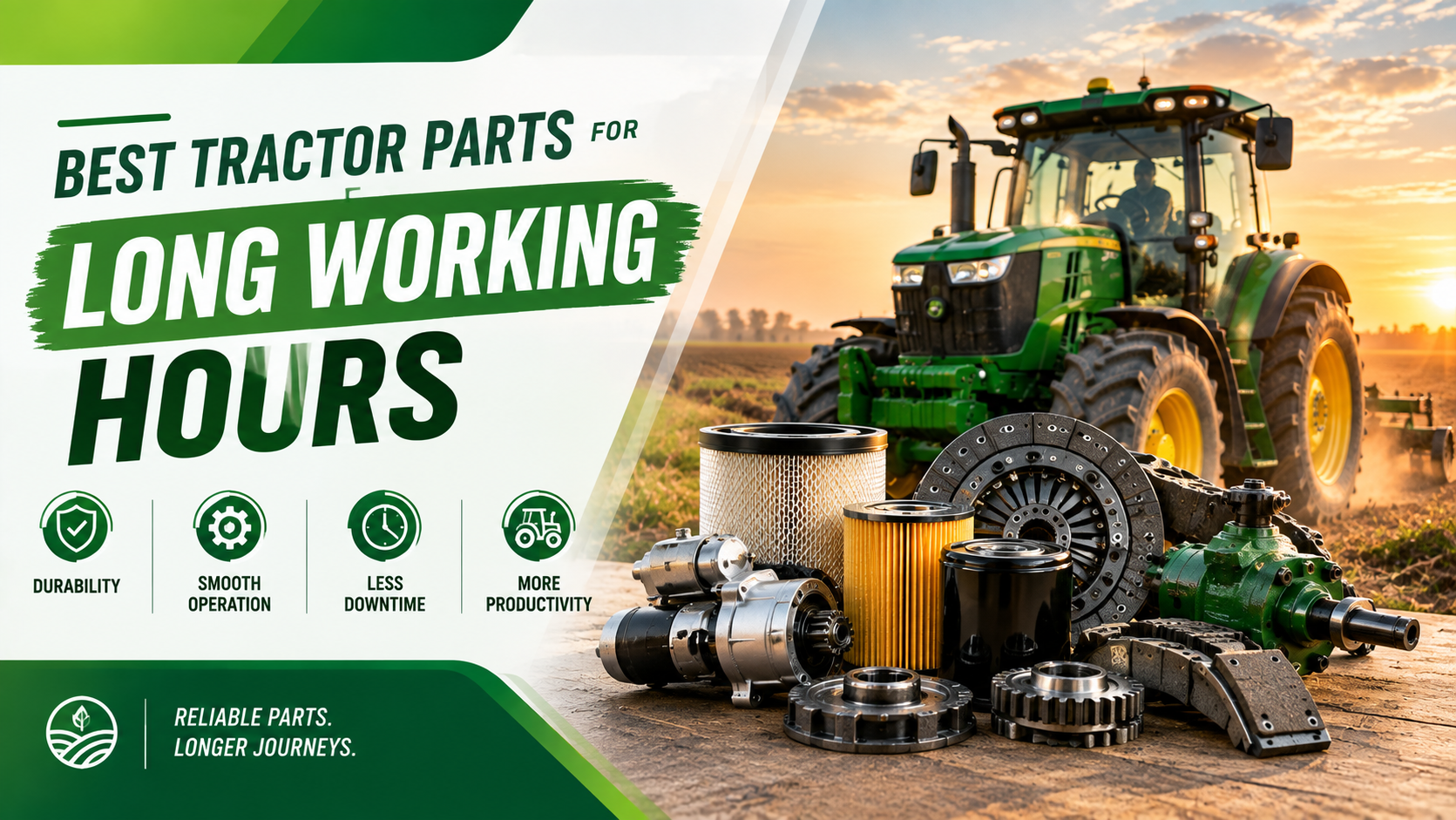
Discover the best tractor parts for long working hours, including engine filters, cooling components, belts, bearings, clutch, hydraulic, transmission parts, and tyres. Learn how quality tractor spare parts from Gropart, regular inspections, and timely replacement can help reduce...
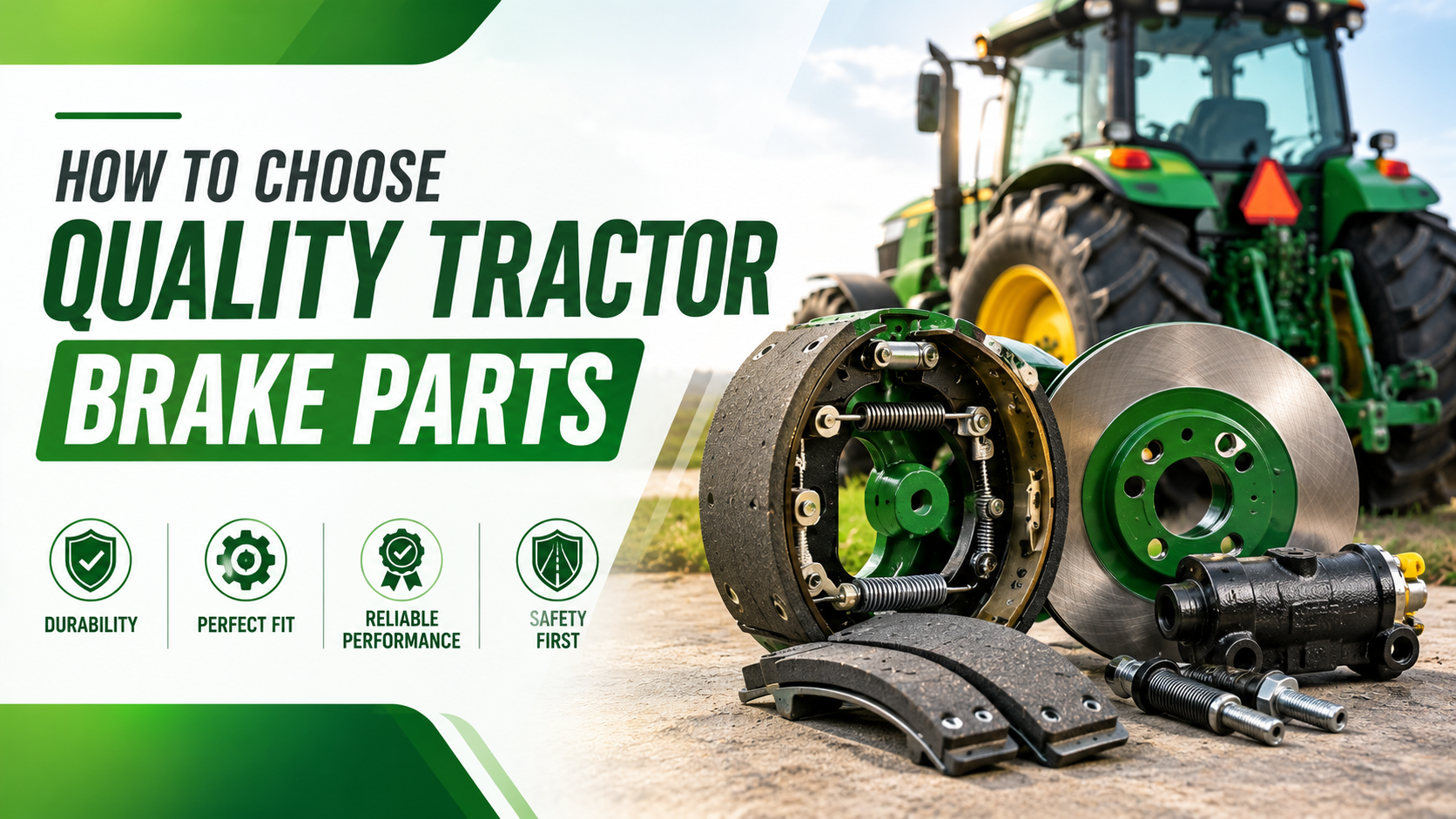
Learn how to choose quality tractor brake parts by checking fitment, brake type, material, durability, workload and supplier reliability for safer tractor performance.
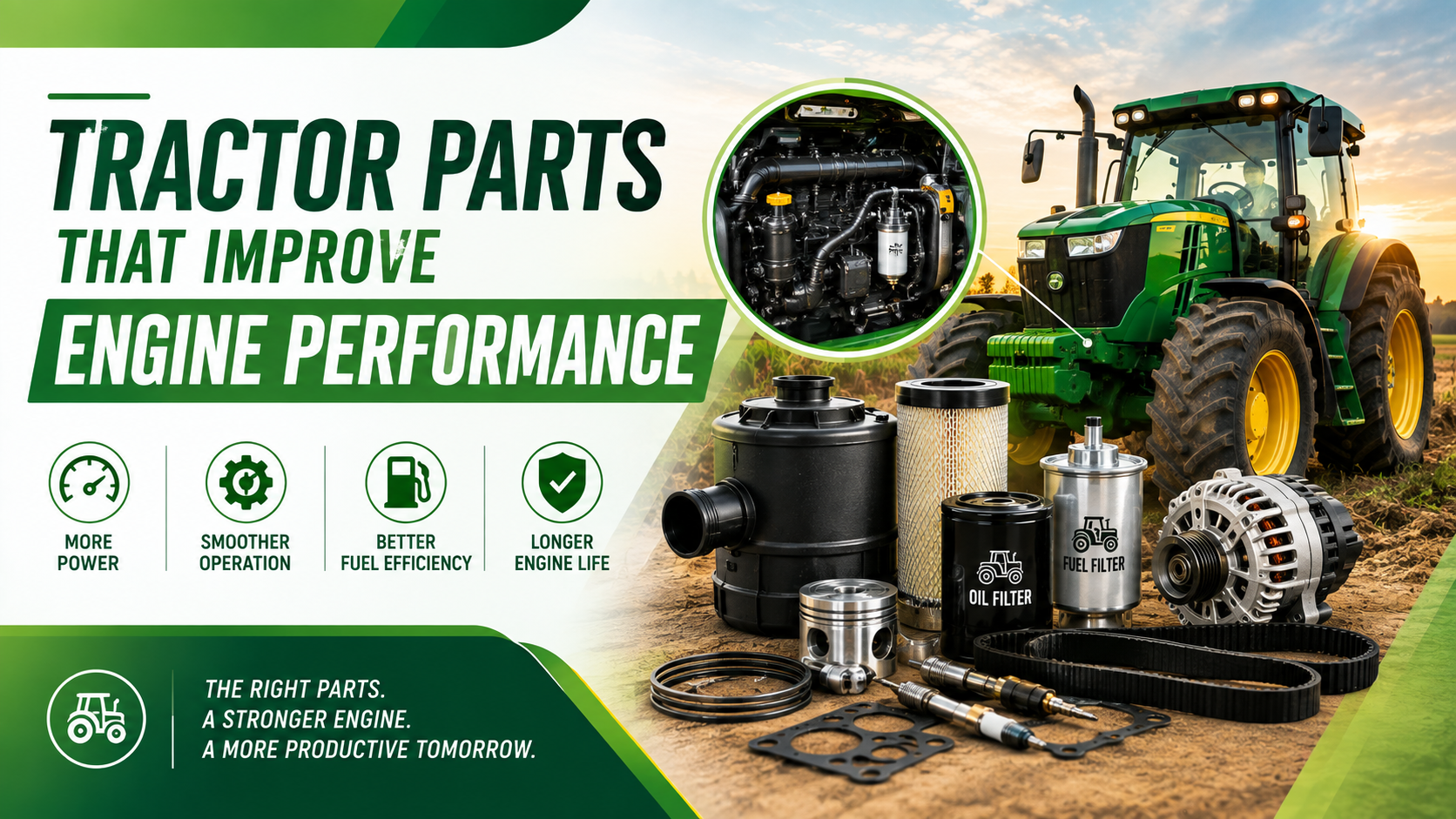
Discover tractor parts that improve engine performance, including air and fuel filters, injectors, belts, cooling components, seals, and other essential spare parts.
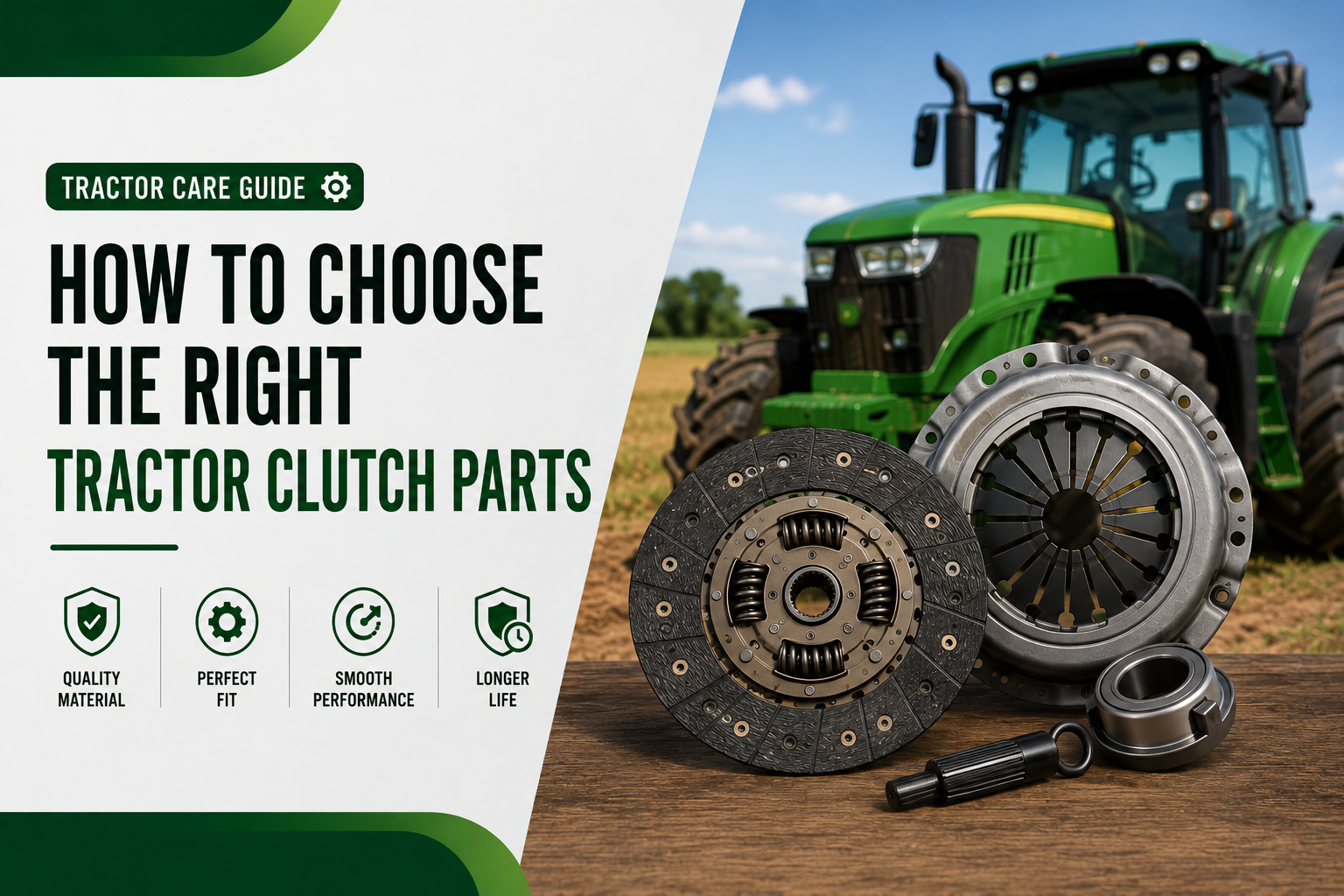
Learn how to choose the right tractor clutch parts by checking model, fitment, specifications, quality, working conditions, and compatibility for reliable performance.
 हिन्दी