 हिन्दी


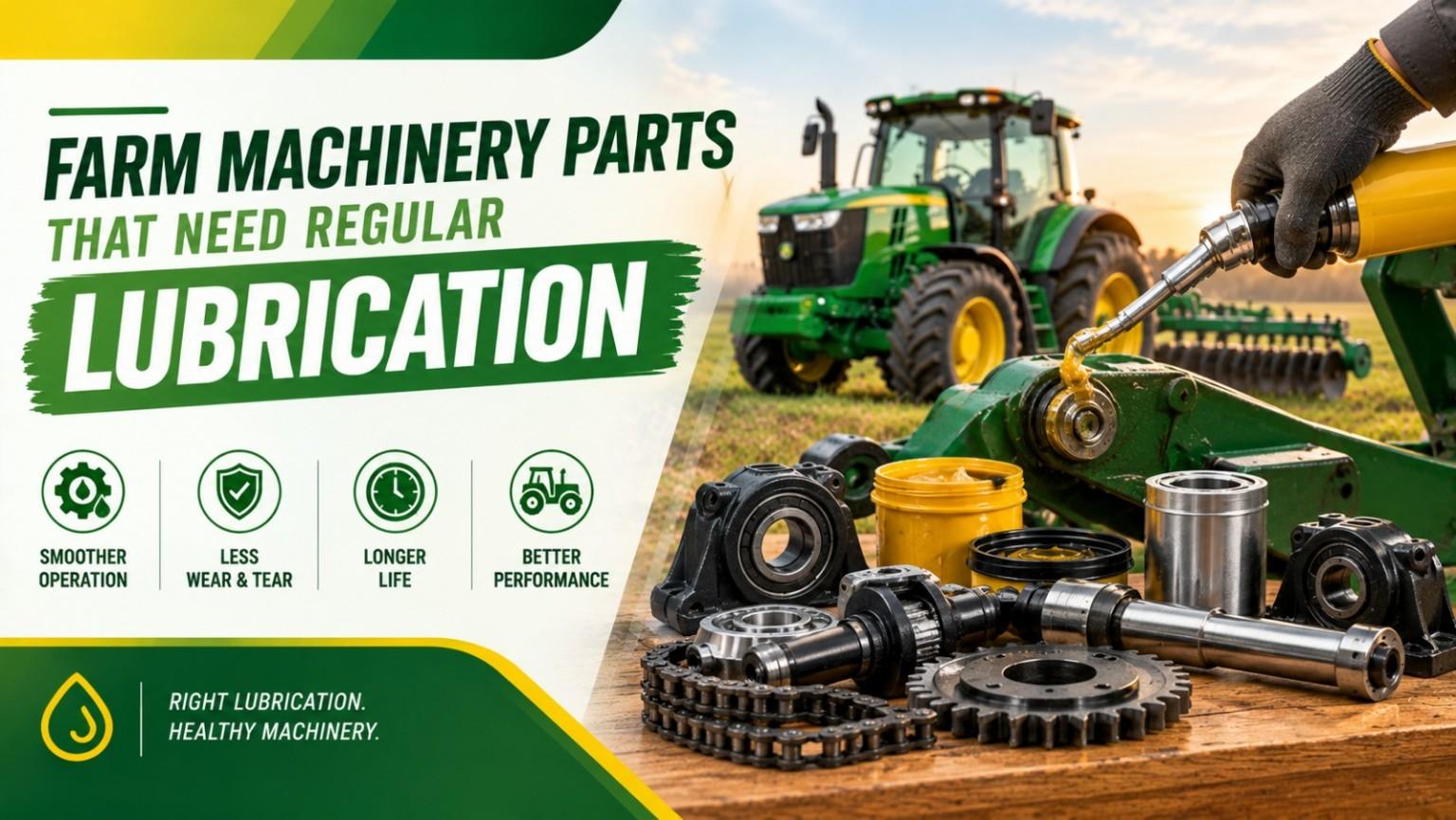
Learn which farm machinery parts need regular lubrication, including tractor bearings, PTO components, bushes, pins, chains, gears, wheel bearings and more.
COD उपलब्ध नहीं है। हम केवल प्रीपेड ऑर्डर में काम करते हैं और पूरे भारत में शिपिंग करते है. COD is not available. We work in prepaid orders only and shipping PAN India.
XA tractor engine works hard every day to handle farming operations such as ploughing, cultivation, transportation, spraying, and harvesting. To perform these tasks efficiently, the engine needs a constant supply of clean air, clean fuel, and clean lubricating oil. This is where filters play an important role.
Many farmers focus on engine oil changes and spare part replacements but often overlook the condition of their tractor filters. Although filters may appear to be small and simple components, they have a direct impact on engine performance, fuel efficiency, and overall tractor reliability. When filters become dirty or clogged, the engine has to work harder, leading to reduced efficiency and higher operating costs.
Regular filter maintenance is one of the easiest and most affordable ways to keep a tractor running smoothly. Understanding how clean filters improve engine efficiency can help farmers reduce breakdowns, save fuel, and extend the life of their equipment.
Every tractor contains multiple filters designed to protect different systems from dirt, dust, and contaminants. These filters act as protective barriers, preventing harmful particles from reaching sensitive engine and hydraulic components.
The most common filters found in tractors include:
Each filter has a specific function, but all of them contribute to the same goal—keeping the machine operating efficiently and preventing unnecessary wear.
Without proper filtration, contaminants can enter critical systems and cause expensive damage over time.
The engine requires a large amount of clean air for proper combustion. During farming operations, tractors often work in dusty conditions where dirt and debris are constantly present.
The air filter prevents these particles from entering the engine. When the filter is clean, air flows freely into the combustion chamber, allowing the engine to perform efficiently.
A clogged air filter restricts airflow and creates several problems, including:
Because the engine struggles to get enough air, combustion becomes less efficient. This forces the engine to work harder and consume more fuel to produce the same amount of power.
Simply cleaning or replacing a dirty air filter can often restore lost performance and improve fuel economy.
Fuel quality is another important factor that affects engine efficiency. Even small amounts of dirt or water in the fuel system can create problems.
Fuel filters are designed to remove contaminants before fuel reaches sensitive components such as injectors and fuel pumps.
When the fuel filter becomes clogged, fuel flow may be restricted. This can lead to:
A clean fuel filter ensures that the engine receives a steady supply of clean fuel, helping maintain smooth combustion and consistent performance.
Proper fuel filtration also protects expensive fuel system components from premature wear.
Engine oil lubricates moving parts and helps reduce friction inside the engine. However, as the oil circulates, it collects dirt, metal particles, and other contaminants.
The oil filter removes these impurities before the oil reaches critical engine components.
A clean oil filter helps:
When the oil filter becomes clogged, oil circulation may decrease, causing additional stress on the engine. Over time, this can reduce efficiency and increase maintenance costs.
Regular oil filter replacement is essential for long-term engine health.
Although hydraulic filters are not directly connected to engine combustion, they still play a role in overall tractor performance.
Hydraulic systems control lifting functions, steering systems, and various implements used in farming operations. Clean hydraulic oil allows these systems to operate smoothly and efficiently.
A clogged hydraulic filter can cause:
When hydraulic components struggle to perform, the engine may need to work harder to compensate. This can indirectly affect fuel efficiency and overall productivity.
Keeping hydraulic filters clean helps maintain smooth operation across the entire machine.
One of the biggest benefits of clean filters is improved fuel efficiency.
An engine requires the correct balance of air and fuel to operate effectively. When airflow is restricted due to a dirty air filter, combustion becomes less efficient.
The engine may burn more fuel to produce the required power output.
Clean filters help maintain:
For farmers who use their tractors daily, even a small improvement in fuel efficiency can result in significant savings over time.
Contaminants are one of the leading causes of engine wear. Dust, dirt, and debris can damage internal components if they enter the engine or fuel system.
Clean filters prevent these particles from circulating through the machine.
As a result:
Protecting the engine from contamination is one of the most effective ways to maximize tractor life.
Many starting problems are linked to poor airflow or fuel delivery.
A dirty air filter can reduce the amount of air available during startup, while a clogged fuel filter can restrict fuel flow.
Clean filters help ensure that:
This leads to faster and more reliable engine starting, especially during busy farming seasons when downtime can be costly.
Modern farming equipment is expected to operate efficiently while minimizing environmental impact.
When filters become clogged, combustion quality decreases and the engine may produce excessive smoke or emissions.
Clean filters help maintain proper combustion conditions, which can result in:
Although many farmers focus on performance, cleaner combustion also benefits overall engine health.
Farmers should regularly inspect filters for signs of restriction or contamination.
Common warning signs include:
These symptoms often indicate that one or more filters need cleaning or replacement.
Ignoring these warning signs can eventually lead to larger and more expensive mechanical problems.
Filter maintenance should be part of every tractor service routine.
The exact replacement interval depends on operating conditions, but tractors working in dusty environments often require more frequent inspections.
A simple maintenance schedule should include:
Routine maintenance helps prevent unexpected performance issues and keeps the tractor ready for daily work.
Not all filters provide the same level of protection. Low-quality filters may allow contaminants to pass through or become clogged more quickly.
Reliable filters are designed to provide efficient filtration while maintaining proper airflow and fluid circulation.
Quality tractor filters and maintenance components from Gropart help support engine performance, reduce wear, and improve overall machine reliability. Choosing dependable replacement filters can make a noticeable difference in long-term operating costs and equipment lifespan.
Filters are among the most important maintenance components in any tractor. Air filters, fuel filters, oil filters, and hydraulic filters all play a vital role in protecting the machine and maintaining efficient performance. When these filters remain clean, the engine receives the air, fuel, and lubrication it needs to operate at its best.
Regular filter maintenance improves fuel efficiency, reduces engine wear, supports smooth operation, and helps prevent costly breakdowns. It is one of the simplest maintenance practices farmers can follow to protect their equipment and maximize productivity.
By combining routine filter inspections with high-quality replacement parts from Gropart, farmers can keep their tractors running efficiently, reduce operating costs, and ensure reliable performance throughout every farming season.
Learn which farm machinery parts need regular lubrication, including tractor bearings, PTO components, bushes, pins, chains, gears, wheel bearings and more.
Learn which farm machinery parts need regular lubrication, including tractor bearings, PTO components, bushes, pins, chains, gears, wheel bearings and more.
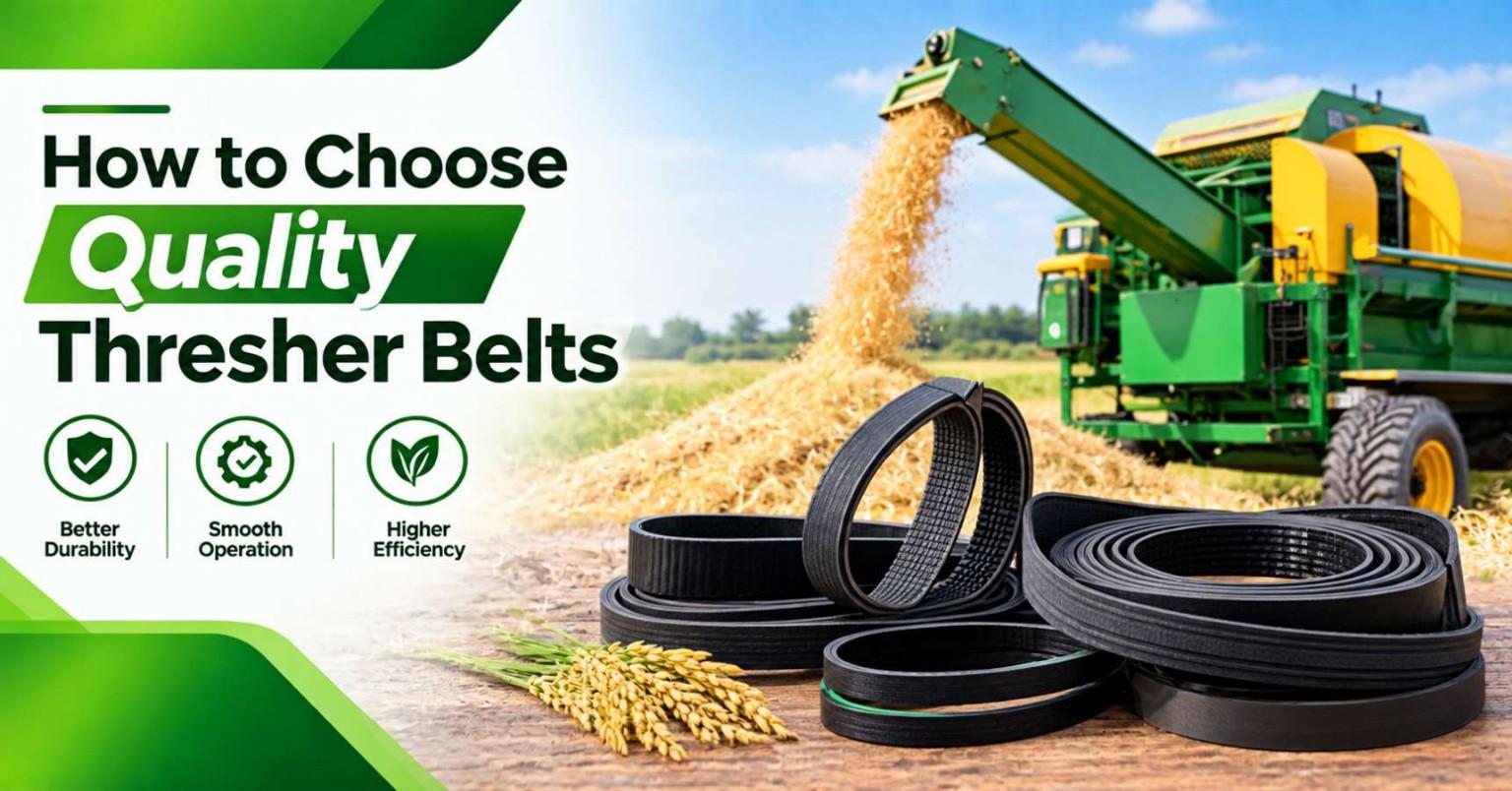
Learn how to choose quality thresher belts by checking size, profile, construction, load, heat resistance, compatibility, tension and belt wear.
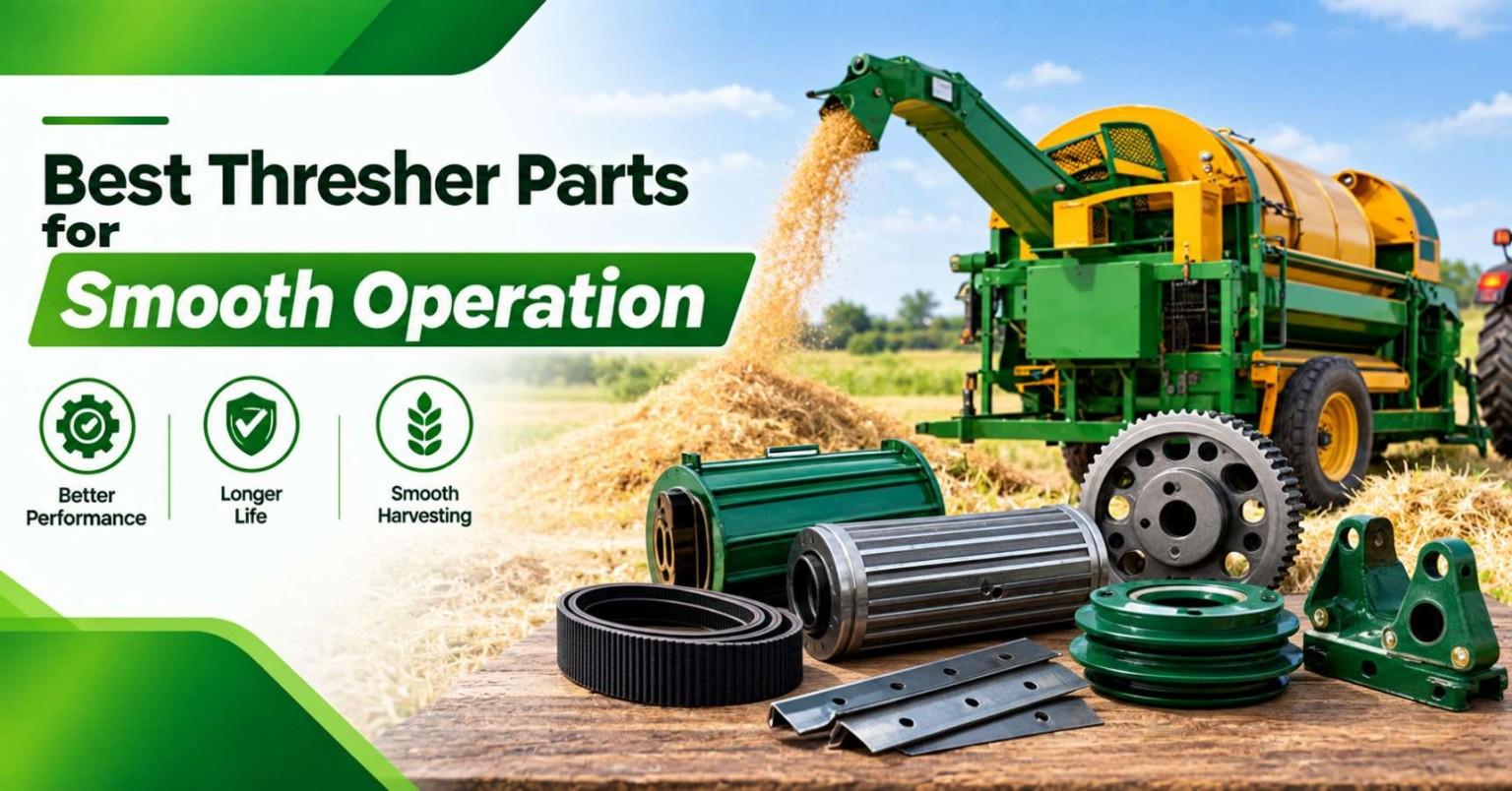
Learn about essential thresher spare parts including drums, beaters, bearings, belts, pulleys, shafts, sieves and filters for smooth machine operation