 हिन्दी


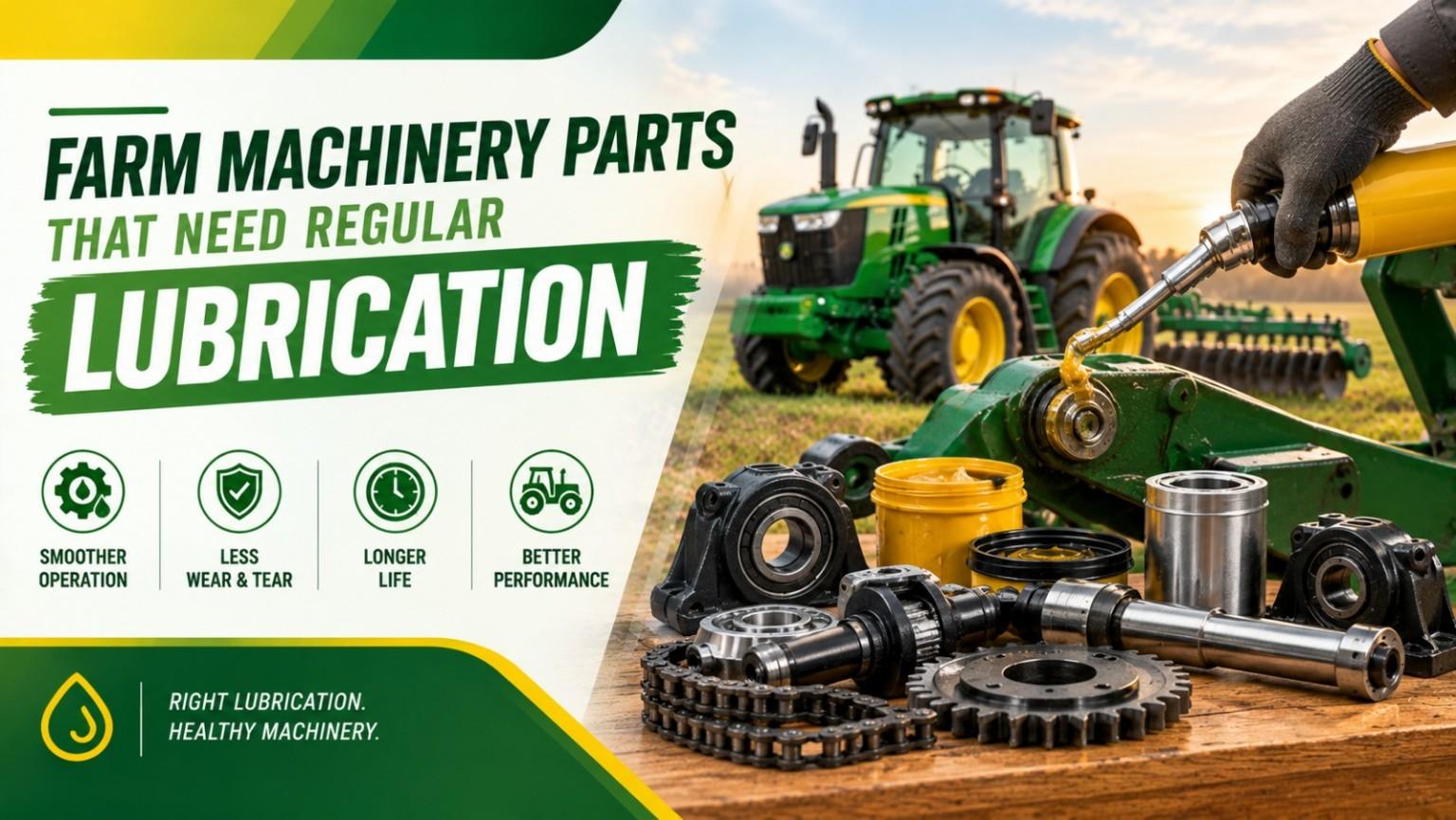
Learn which farm machinery parts need regular lubrication, including tractor bearings, PTO components, bushes, pins, chains, gears, wheel bearings and more.
COD उपलब्ध नहीं है। हम केवल प्रीपेड ऑर्डर में काम करते हैं और पूरे भारत में शिपिंग करते है. COD is not available. We work in prepaid orders only and shipping PAN India.
X
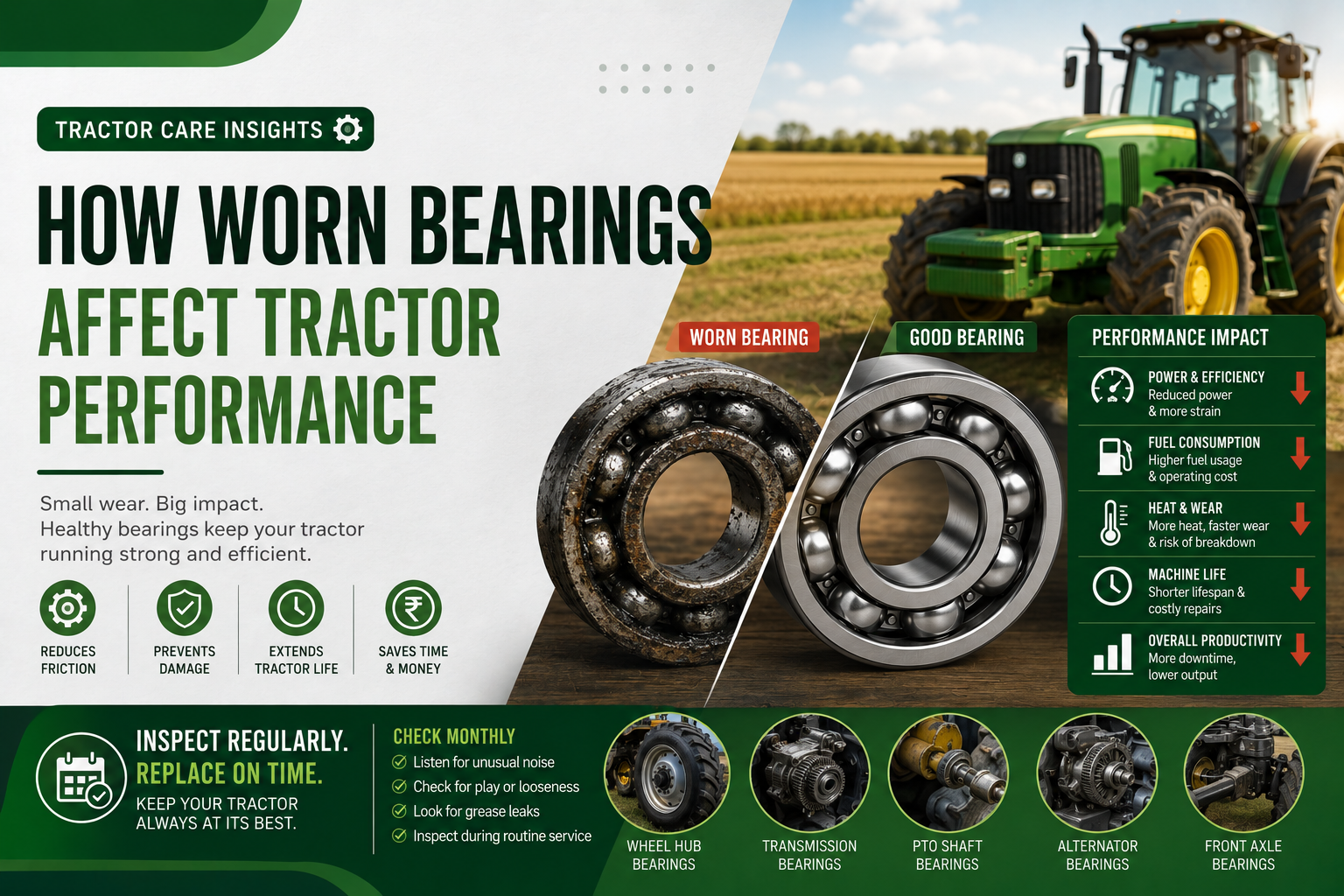
Tractors are built to handle tough agricultural work, from ploughing fields and pulling heavy loads to operating various farm implements. While major components like the engine, gearbox, and hydraulic system often receive most of the attention, there are many smaller parts that play an equally important role in keeping the machine running smoothly. One of these essential components is the bearing.
Bearings are found throughout a tractor and are responsible for reducing friction between moving parts. They help wheels rotate smoothly, support shafts, and allow various mechanical systems to operate efficiently. Although bearings may seem like small components, their condition can have a significant impact on overall tractor performance.
When bearings begin to wear out, they affect more than just the specific area where they are installed. Poor bearing condition can lead to increased friction, reduced efficiency, higher fuel consumption, excessive vibration, and even major mechanical failures. Understanding how worn bearings affect tractor performance can help farmers identify problems early and avoid costly repairs.
A bearing is designed to support movement while reducing friction between moving surfaces. Without bearings, metal components would rub directly against each other, creating excessive heat and wear.
Tractors use bearings in several important areas, including:
These components operate under heavy loads and continuous movement, making proper bearing performance essential for smooth and efficient operation.
Like any mechanical component, bearings experience wear over time. Constant rotation, heavy loads, dirt, moisture, and inadequate lubrication gradually reduce their effectiveness.
Several factors contribute to bearing wear:
As wear increases, bearings lose their ability to support smooth movement, which begins affecting tractor performance in various ways.
One of the first effects of worn bearings is increased friction. A healthy bearing allows components to move freely with minimal resistance. When the bearing becomes worn or damaged, movement becomes less efficient.
The tractor must then work harder to perform the same tasks. This additional resistance affects overall machine efficiency and places extra stress on surrounding components.
Even a small increase in friction can reduce performance when the tractor is operating for long hours during demanding farming activities.
Many farmers are surprised to learn that worn bearings can affect fuel efficiency.
When bearings create additional resistance, the engine needs to generate more power to keep components moving. This extra effort requires more fuel.
Over time, worn bearings can contribute to:
If a tractor suddenly begins consuming more fuel without any obvious reason, worn bearings may be one of the underlying causes.
Bearings help maintain smooth rotation and stable movement. As they wear out, they often develop internal damage that affects balance and alignment.
This can lead to excessive vibration throughout the machine.
Common signs include:
Excessive vibration not only reduces operator comfort but can also accelerate wear on other tractor components.
One of the most common symptoms of bearing wear is unusual noise.
As bearings deteriorate, they may produce:
These noises usually become more noticeable as the tractor operates under load.
Ignoring unusual sounds can allow bearing damage to worsen and increase the risk of larger mechanical failures.
The Power Take-Off (PTO) system depends on several rotating components, many of which rely on bearings for smooth operation.
When PTO bearings become worn, farmers may notice:
Since PTO systems are responsible for powering equipment such as rotavators, threshers, and balers, bearing problems can directly affect field productivity.
Regular inspection helps identify wear before serious PTO damage occurs.
Bearings are also used in steering-related components. When these bearings wear out, steering performance can be affected.
Farmers may experience:
Safe and comfortable tractor operation depends on responsive steering. Bearing wear in steering assemblies should never be ignored.
Wheel bearings are among the most important bearings found in a tractor. They support wheel movement and help maintain smooth operation during transportation and field work.
When wheel bearings become worn, symptoms may include:
In severe cases, wheel bearing failure can create serious safety risks and lead to expensive repairs.
Regular wheel bearing inspections are essential for both performance and safety.
A worn bearing rarely affects only itself. When a bearing loses efficiency, nearby components must compensate for the increased resistance.
This additional strain can affect:
As a result, a small bearing problem can eventually become a much larger repair if not addressed promptly.
Replacing a worn bearing early is usually far less expensive than repairing multiple damaged components later.
Bearings are not only found in tractors. Agricultural implements such as threshers, rotavators, seed drills, cultivators, and balers also depend heavily on bearings.
Worn implement bearings can cause:
Farmers should include implement bearings in their regular maintenance routine rather than focusing only on tractor components.
Proper lubrication is one of the most effective ways to protect bearings from premature wear.
Grease creates a protective layer that reduces friction and prevents direct metal-to-metal contact. It also helps protect bearings from moisture and contamination.
Regular greasing provides several benefits:
Following the recommended lubrication schedule can significantly extend bearing service life.
Recognizing early warning signs can help farmers avoid major breakdowns.
Common indicators of bearing wear include:
If any of these symptoms appear, the affected bearing should be inspected immediately.
Delaying replacement often increases repair costs and risks additional damage.
Not all bearings provide the same level of performance and durability. Low-quality bearings may wear out quickly, especially under heavy agricultural workloads.
Reliable bearings are designed to handle:
Quality replacement bearings and spare parts from Gropart help ensure dependable performance and reduce the frequency of repairs. Using durable components supports long-term machine reliability and productivity.
Many bearing failures can be prevented through regular inspections and maintenance.
A simple maintenance routine should include:
These basic steps can help prevent expensive repairs and reduce downtime during important farming operations.
Bearings may be small components, but they play a major role in tractor performance. They help reduce friction, support moving parts, and ensure smooth operation throughout the machine. When bearings become worn, they can affect fuel efficiency, increase vibration, reduce PTO performance, create steering problems, and place extra stress on other components.
Recognizing the warning signs of bearing wear and performing regular maintenance can help farmers avoid costly breakdowns and improve equipment reliability. Proper lubrication, routine inspections, and timely replacement are essential for maintaining efficient tractor operation.
By using quality bearings and dependable spare parts from Gropart, farmers can extend the life of their machinery, reduce maintenance costs, and keep their tractors performing at their best throughout every farming season.
Learn which farm machinery parts need regular lubrication, including tractor bearings, PTO components, bushes, pins, chains, gears, wheel bearings and more.
Learn which farm machinery parts need regular lubrication, including tractor bearings, PTO components, bushes, pins, chains, gears, wheel bearings and more.
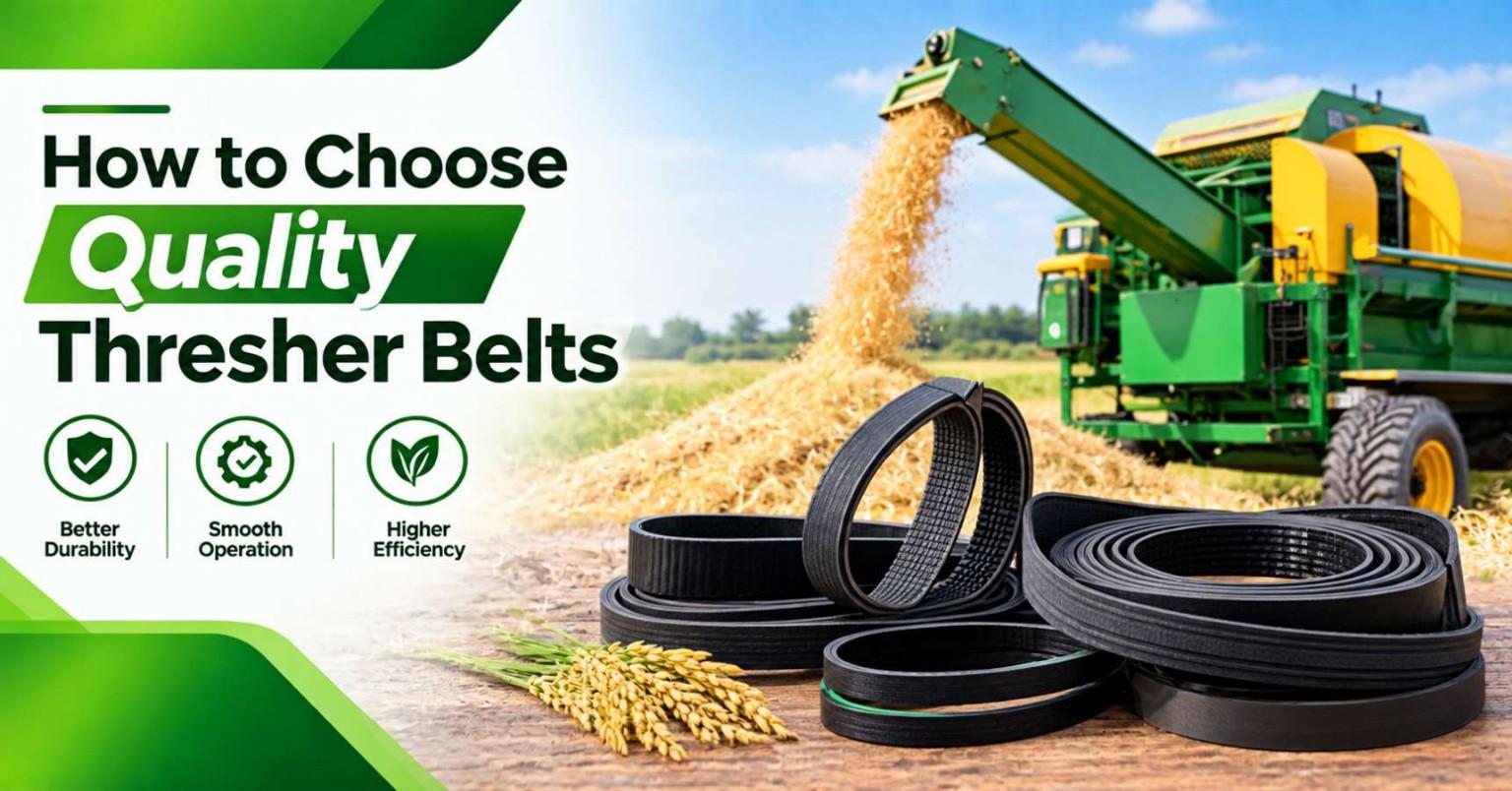
Learn how to choose quality thresher belts by checking size, profile, construction, load, heat resistance, compatibility, tension and belt wear.
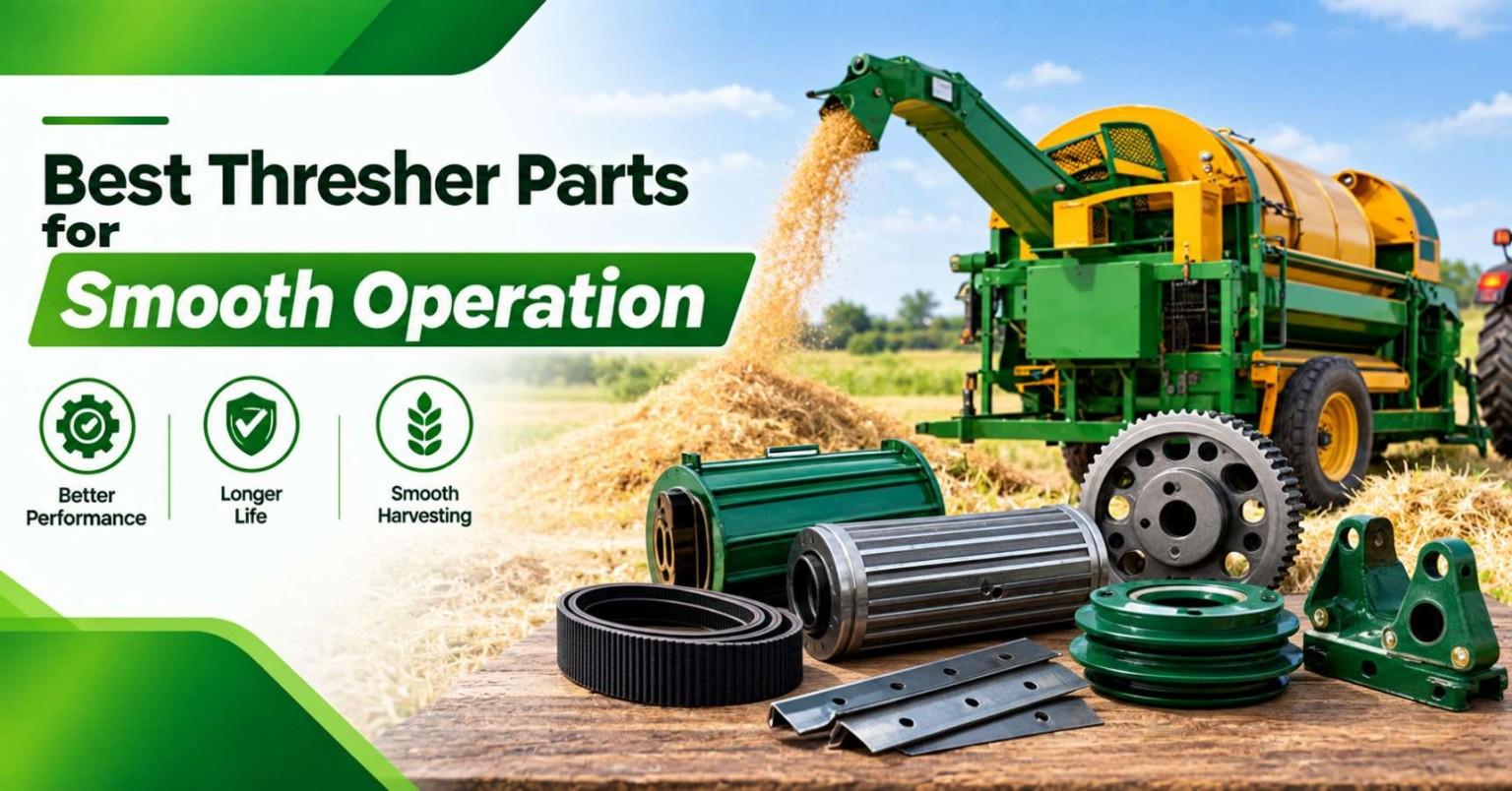
Learn about essential thresher spare parts including drums, beaters, bearings, belts, pulleys, shafts, sieves and filters for smooth machine operation