 हिन्दी


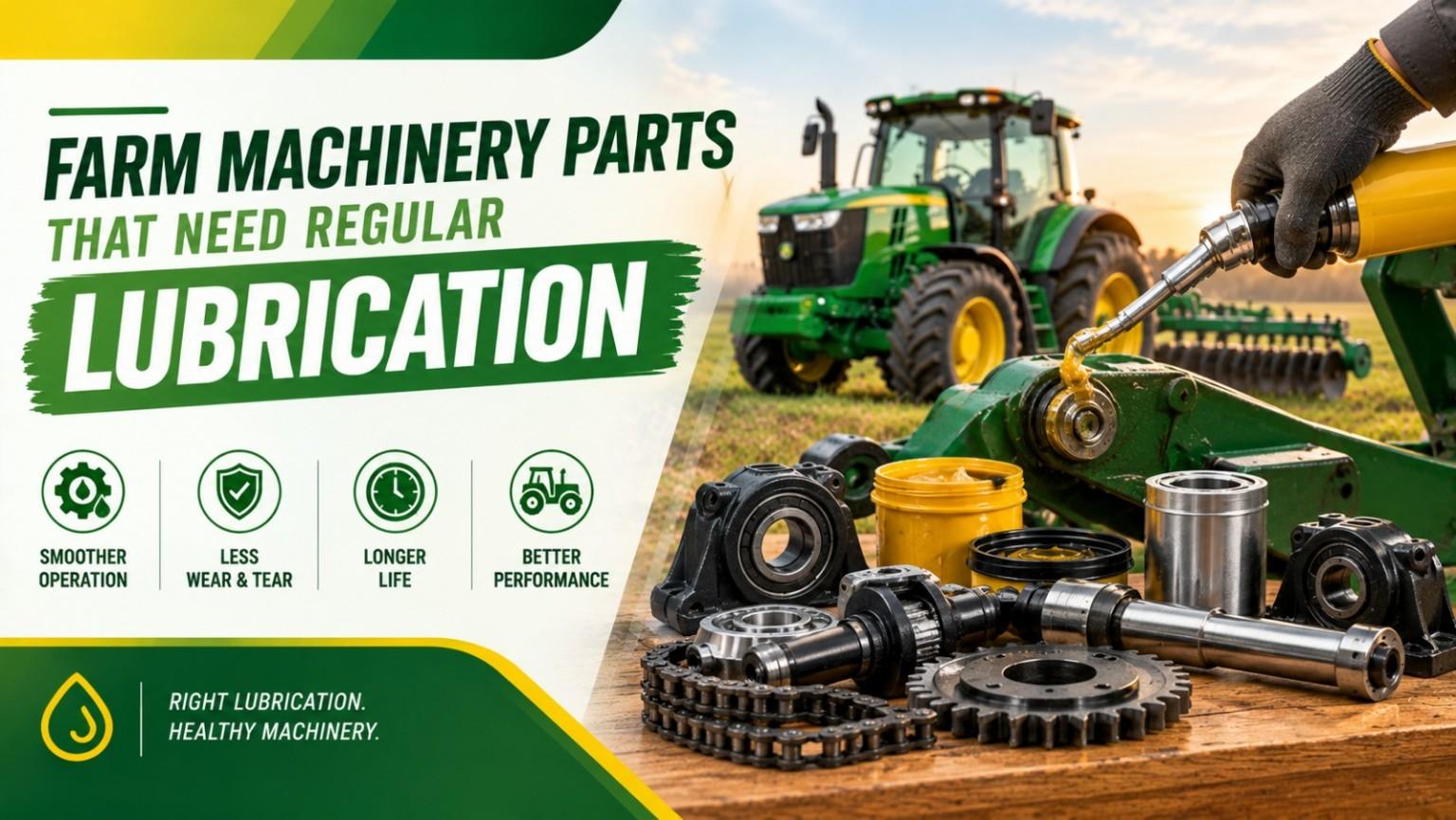
Learn which farm machinery parts need regular lubrication, including tractor bearings, PTO components, bushes, pins, chains, gears, wheel bearings and more.
COD उपलब्ध नहीं है। हम केवल प्रीपेड ऑर्डर में काम करते हैं और पूरे भारत में शिपिंग करते है. COD is not available. We work in prepaid orders only and shipping PAN India.
X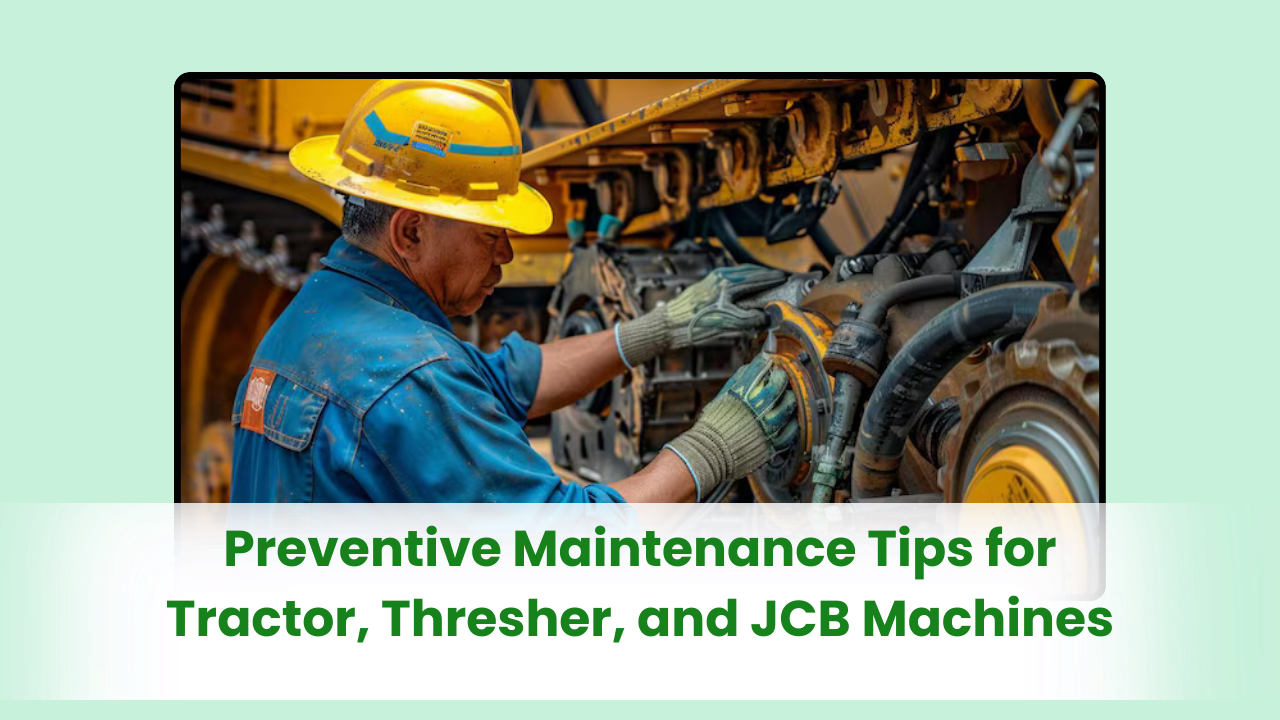
Farm machinery such as tractors, threshers, and JCB machines work in tough conditions every day. Dust, heavy loads, long working hours, and uneven land slowly affect every component. Many breakdowns happen not because machines are old, but because preventive maintenance is ignored.
Preventive maintenance means checking, servicing, and replacing parts before a major failure occurs. It reduces downtime, saves repair costs, and extends machine life. In this guide, we explain simple preventive maintenance tips for tractors, threshers, and JCB machines, based on real field usage, and how quality spare parts from Gropart support long-term performance.
Most mechanical failures give warning signs before they happen. Noise, vibration, oil leakage, power loss, or overheating are early indicators. Ignoring these signs leads to sudden breakdowns during peak work periods.
Benefits of preventive maintenance include:
Regular care keeps machines reliable when they are needed most.
Tractors are the backbone of farming operations. Keeping them in good condition ensures smooth daily work.
Dirty oil and filters force the engine to work harder, increasing wear and fuel usage.
Overheating is a common issue caused by neglected cooling systems.
Early detection prevents expensive clutch and gearbox repairs.
Good hydraulic maintenance ensures smooth lifting and implement control.
Threshers operate under high vibration and continuous load, especially during harvesting season.
Worn bearings affect grain quality and machine balance.
Loose or worn belts reduce output and increase power loss.
Clean machines run cooler and last longer.
Proper cutting and separation improve grain output and reduce losses.
JCB machines handle heavy loads and operate in rough environments, making maintenance even more critical.
Hydraulic failures slow work and can be dangerous.
Efficient fuel systems improve power and reduce smoke.
Electrical issues often cause starting problems.
Proper lubrication reduces friction and prevents early wear.
Preventive maintenance is effective only when quality spare parts are used. Low-grade parts fail quickly and can damage nearby components.
Gropart spare parts are designed for:
Using reliable spare parts reduces repeat repairs and improves machine reliability.
Following a routine prevents sudden failures.
Avoiding these mistakes saves time and money.
Farmers and machine operators prefer spare parts that perform reliably in real working conditions. Gropart focuses on:
This makes preventive maintenance more effective and long-lasting.
Preventive maintenance is the key to keeping tractors, threshers, and JCB machines running smoothly throughout the year. Small daily checks and timely replacement of worn parts prevent major breakdowns and costly repairs.
Using quality spare parts from Gropart, along with regular maintenance practices, ensures better fuel efficiency, improved safety, and longer machine life. For farmers and contractors who depend on their machines every day, preventive maintenance is not an option—it is a smart investment in productivity and peace of mind.
Learn which farm machinery parts need regular lubrication, including tractor bearings, PTO components, bushes, pins, chains, gears, wheel bearings and more.
Learn which farm machinery parts need regular lubrication, including tractor bearings, PTO components, bushes, pins, chains, gears, wheel bearings and more.
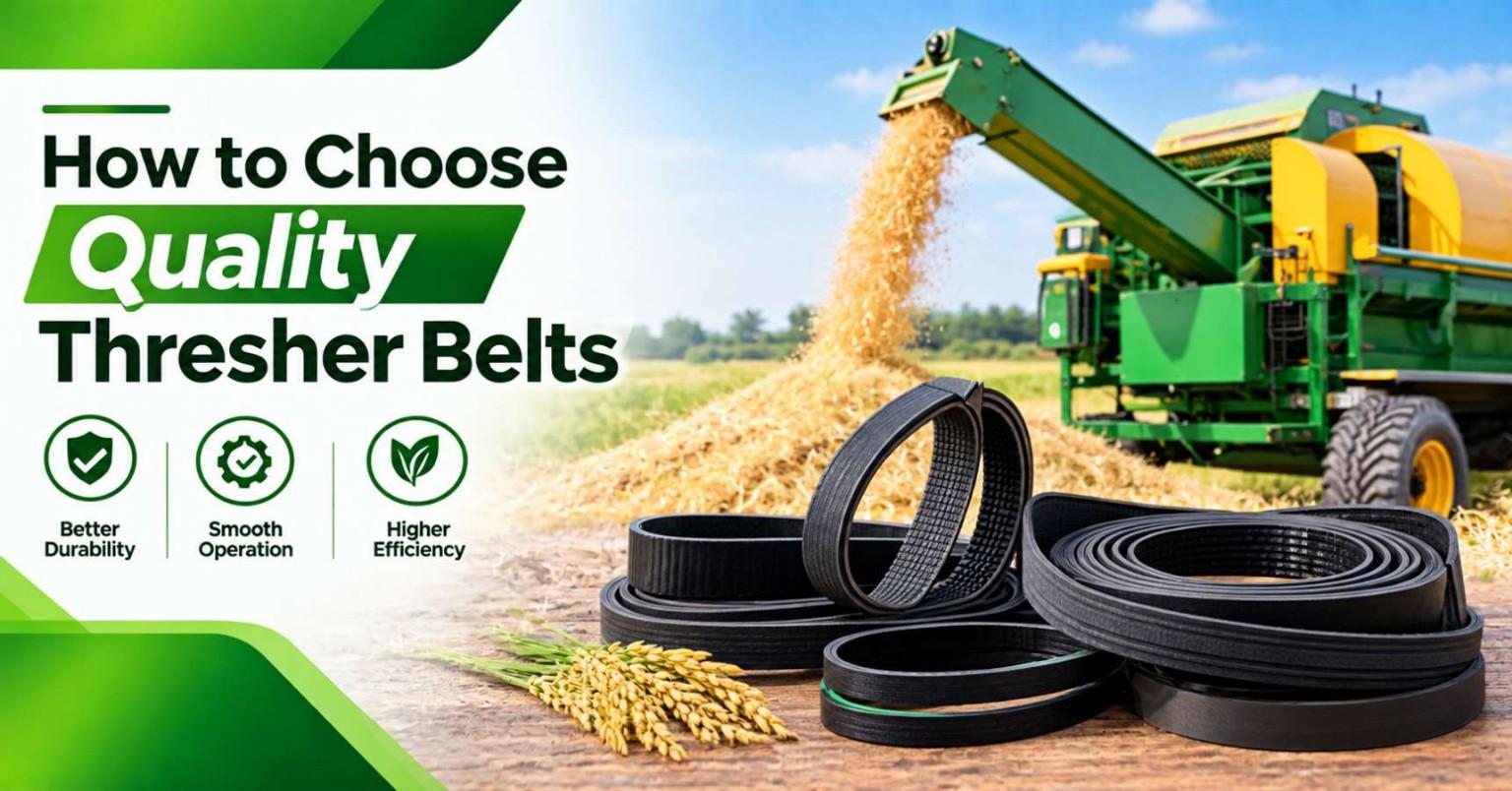
Learn how to choose quality thresher belts by checking size, profile, construction, load, heat resistance, compatibility, tension and belt wear.
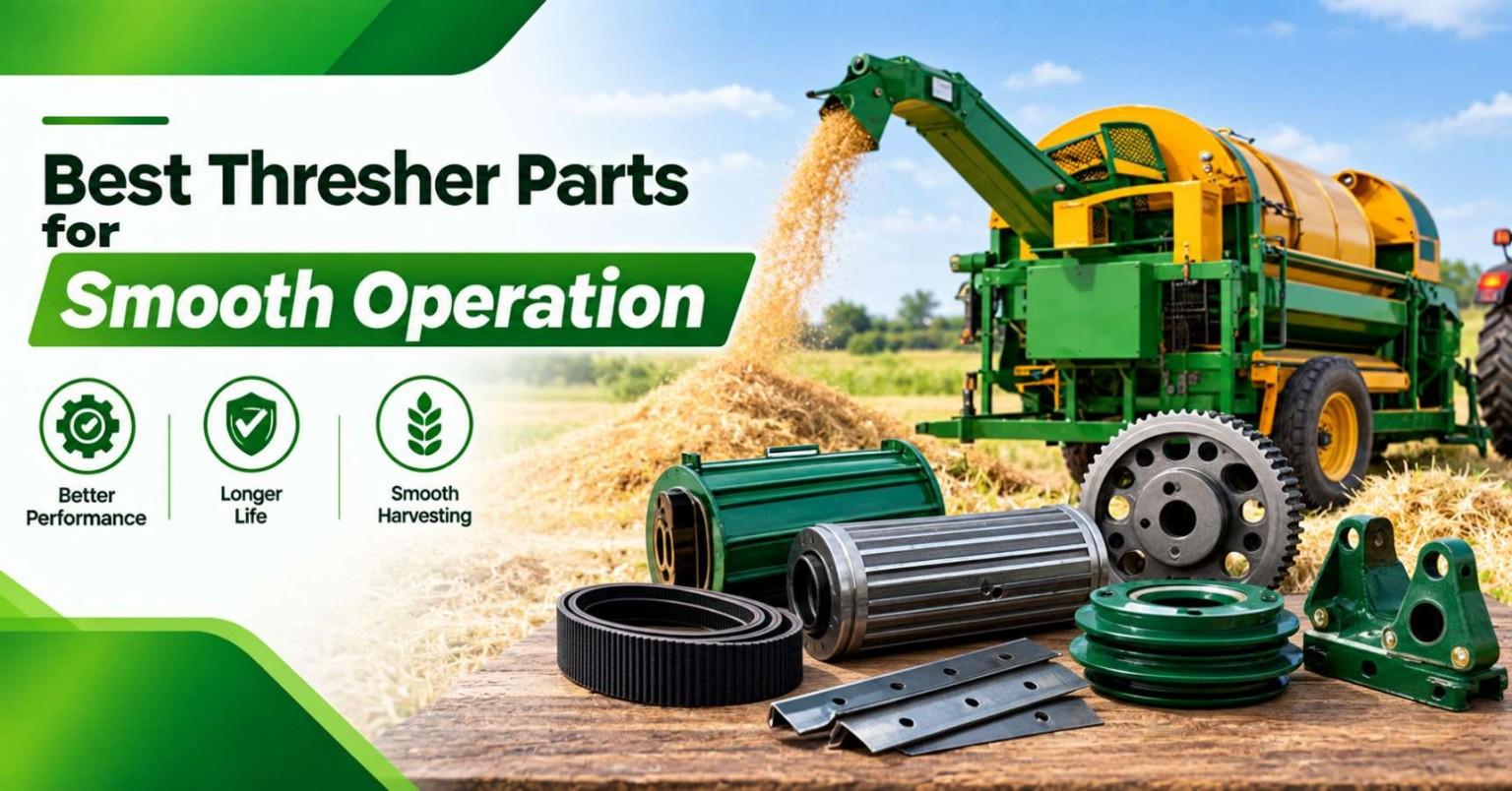
Learn about essential thresher spare parts including drums, beaters, bearings, belts, pulleys, shafts, sieves and filters for smooth machine operation