 हिन्दी

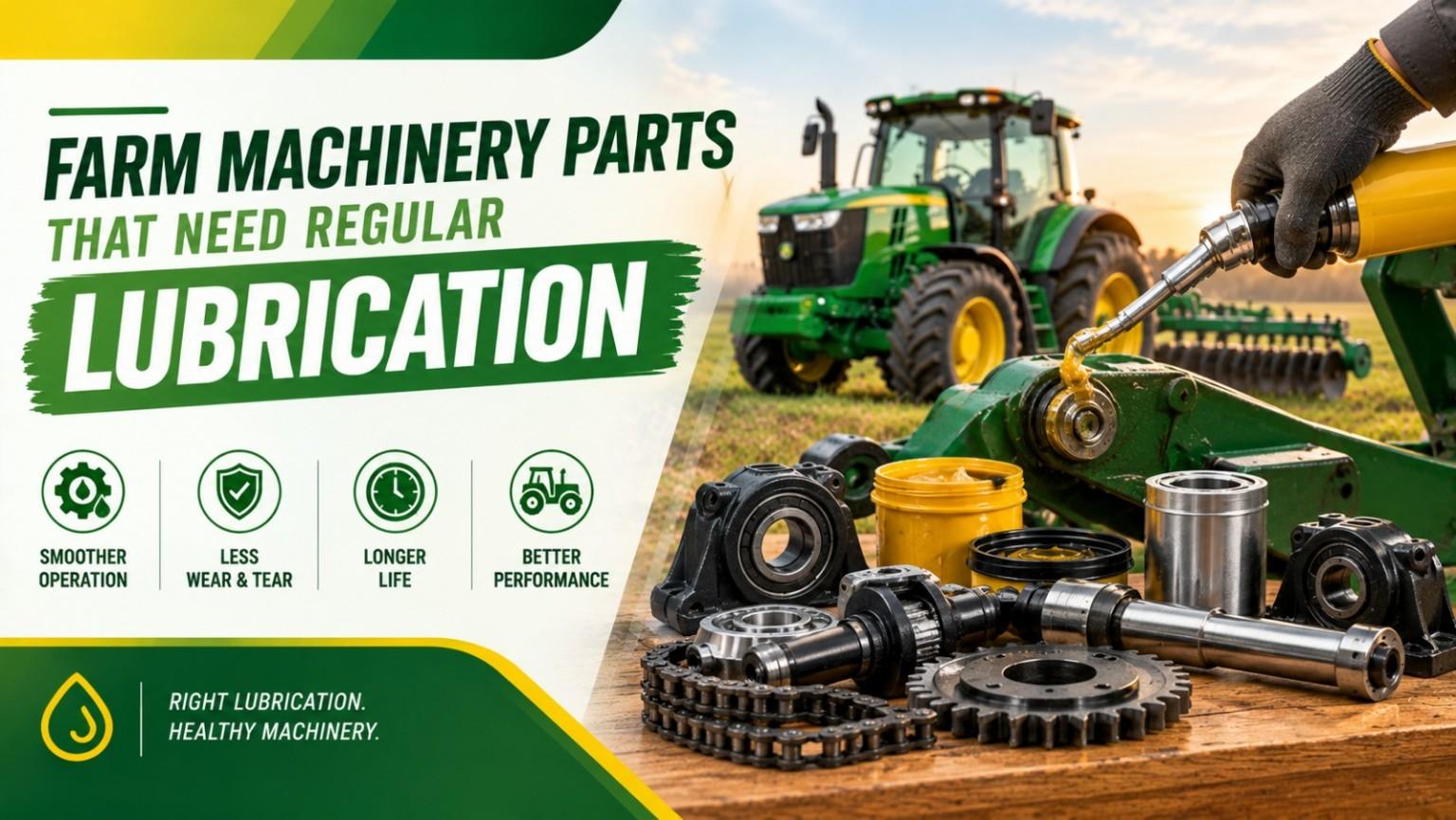
Learn which farm machinery parts need regular lubrication, including tractor bearings, PTO components, bushes, pins, chains, gears, wheel bearings and more.
COD उपलब्ध नहीं है। हम केवल प्रीपेड ऑर्डर में काम करते हैं और पूरे भारत में शिपिंग करते है. COD is not available. We work in prepaid orders only and shipping PAN India.
X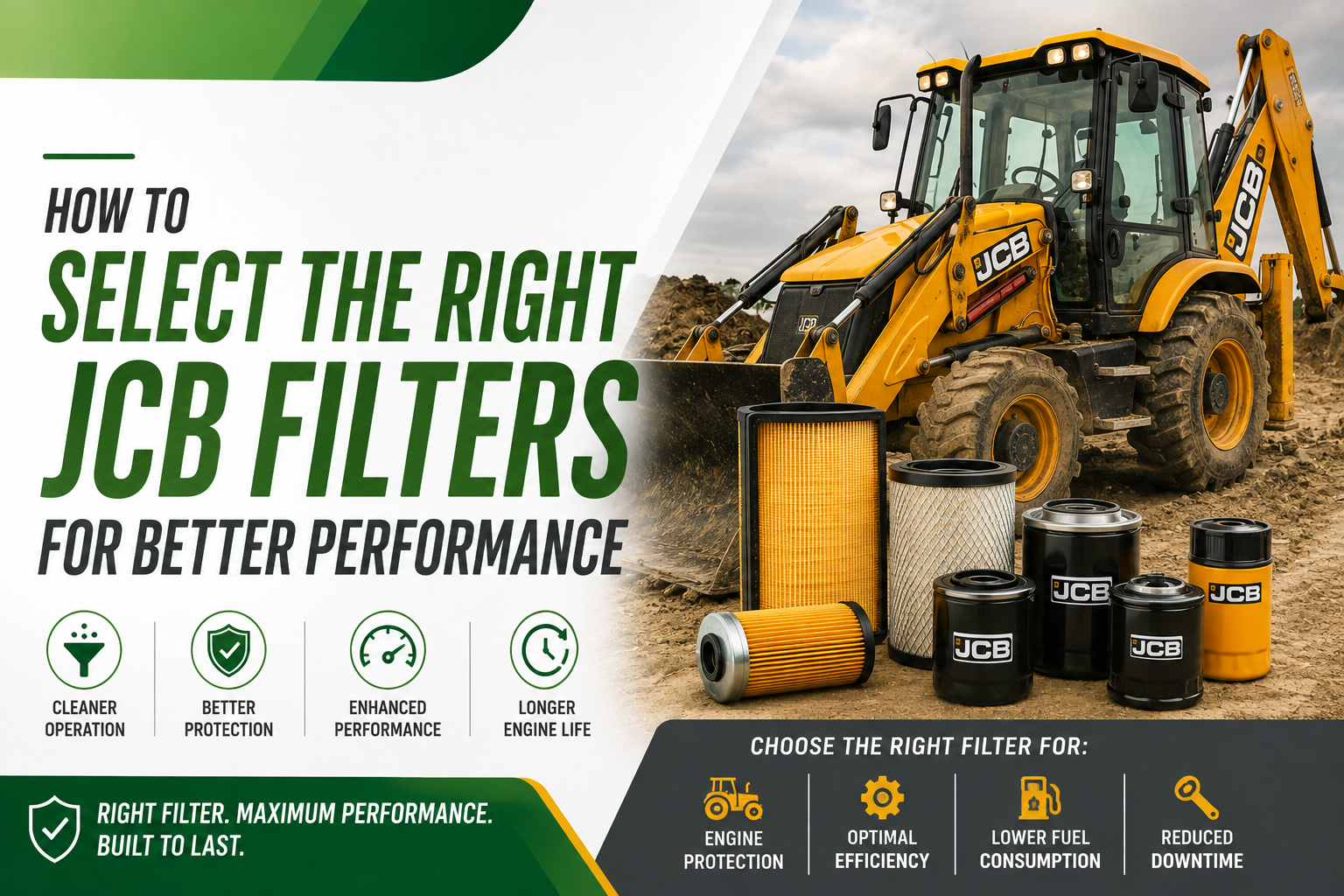
JCB machines are used for demanding work across construction, agriculture, material handling, road work, and other heavy-duty applications. These machines often operate for long hours in environments filled with dust, dirt, mud, heat, and other contaminants. To perform reliably under such conditions, every major system must receive proper care. One of the simplest but most important ways to protect a JCB machine is by using the right filters.
Filters may be small compared to the engine, hydraulic system, or transmission, but they play a major role in protecting these expensive components. A suitable filter helps remove harmful contaminants before they can cause damage. However, choosing the right JCB filter is not simply about selecting a product that looks similar to the old one. The filter must match the machine, system, specifications, and working conditions.
Using an incorrect or poor-quality filter can reduce performance, increase component wear, and lead to unnecessary maintenance costs. In this guide, we will explain how to select the right JCB filters for better performance and longer machine life.
JCB machines depend on clean air, fuel, oil, and hydraulic fluid for efficient operation. Different filters are designed to protect different systems.
The main types of JCB filters include:
Each filter has a specific function. A filter designed for one system should not be used as a replacement for another.
When filters work properly, they help reduce contamination and protect important components from premature wear.
The first step in selecting a replacement filter is identifying the exact JCB model.
JCB produces different machines for different applications, and even machines with similar designs may use different filter specifications.
Before buying a filter, check details such as:
The serial number can be especially useful when identifying the exact filter required for a particular machine.
Providing accurate machine details helps reduce the risk of buying an incompatible filter.
The part number printed on the original filter is another useful way to identify the correct replacement.
Before removing the old filter, check for:
Comparing the original filter number with the replacement product information can make selection easier.
However, it is always a good idea to confirm compatibility rather than relying only on a number.
Different JCB systems require different filters.
An air filter protects the engine from dust and dirt in the air. A fuel filter removes contaminants from diesel. An oil filter helps keep engine oil clean, while a hydraulic filter protects the hydraulic system from harmful particles.
Using the correct type of filter is essential because each filter is designed for a specific fluid or application.
A filter that is not designed for the required system may not provide proper protection.
JCB machines often work in dusty environments, especially on construction sites and agricultural land.
The air filter prevents dust and dirt from entering the engine.
A blocked air filter can cause:
A damaged or low-quality filter may allow dust to enter the engine, causing wear to pistons, cylinder liners, and other internal components.
For machines working in dusty areas, regular air filter inspection and replacement are particularly important.
Clean fuel is essential for proper engine operation.
Fuel filters remove dirt, water, and other contaminants from diesel before it reaches sensitive fuel system components.
A poor-quality or blocked fuel filter may cause:
The replacement filter should provide suitable filtration without unnecessarily restricting fuel flow.
Engine oil filters remove contaminants from the oil that lubricates internal engine components.
During operation, oil may collect dust, metal particles, and other impurities.
A suitable oil filter helps protect:
Using the correct filter helps maintain clean oil circulation and supports longer engine life.
Hydraulic systems are extremely important in many JCB machines.
They control functions such as:
Hydraulic filters help remove contaminants from hydraulic oil.
A blocked or unsuitable hydraulic filter may reduce oil flow and affect machine performance.
In severe cases, contamination can damage hydraulic pumps, valves, and cylinders.
Choosing a filter with the correct specifications is essential for maintaining hydraulic efficiency.
The environment in which the JCB operates should influence filter selection and maintenance frequency.
Machines working in:
may require more frequent filter inspections.
A machine operating in heavy dust may require filter replacement sooner than one working in a cleaner environment.
Understanding operating conditions helps improve maintenance planning.
The filter must fit correctly in its housing.
Important factors include:
A filter that does not fit properly may leak or allow contaminants to bypass the filtration system.
Always confirm the dimensions and application before purchasing.
Price is an important consideration, but it should not be the only factor.
Very cheap filters may use lower-quality materials or provide weaker filtration.
A poor-quality filter may result in:
A reliable filter may cost slightly more initially but provide better protection and longer service life.
The quality of a filter directly affects the protection of expensive JCB components.
Reliable JCB spare parts from Gropart are designed to support demanding machine operations and help maintain dependable performance.
Quality filters help protect engines, fuel systems, hydraulic components, and other important systems from contamination.
Choosing trusted replacement parts can help reduce unexpected downtime and long-term repair costs.
Even the best filter cannot work effectively forever.
Filters gradually collect contaminants and may become restricted.
Following the recommended replacement schedule helps maintain proper filtration and system performance.
However, machines working in extreme conditions may require more frequent replacement.
Regular inspection helps determine whether a filter needs attention before the scheduled service interval.
When selecting JCB filters, avoid:
These mistakes can increase the risk of machine problems.
Selecting the right JCB filter is an important part of maintaining machine performance and protecting expensive components. Air, fuel, oil, hydraulic, and transmission filters all perform different functions and must be chosen according to the machine's exact requirements.
Before buying a replacement filter, check the JCB model, serial number, original part number, dimensions, specifications, and working conditions. Choosing a properly fitted and quality filter helps maintain clean air, fuel, oil, and hydraulic fluid circulation.
By using reliable JCB spare parts from Gropart and following regular maintenance schedules, machine owners can reduce contamination, improve performance, extend component life, and avoid unnecessary breakdowns. The right filter is a small investment that can provide important protection for the entire JCB machine.
Learn which farm machinery parts need regular lubrication, including tractor bearings, PTO components, bushes, pins, chains, gears, wheel bearings and more.
Learn which farm machinery parts need regular lubrication, including tractor bearings, PTO components, bushes, pins, chains, gears, wheel bearings and more.
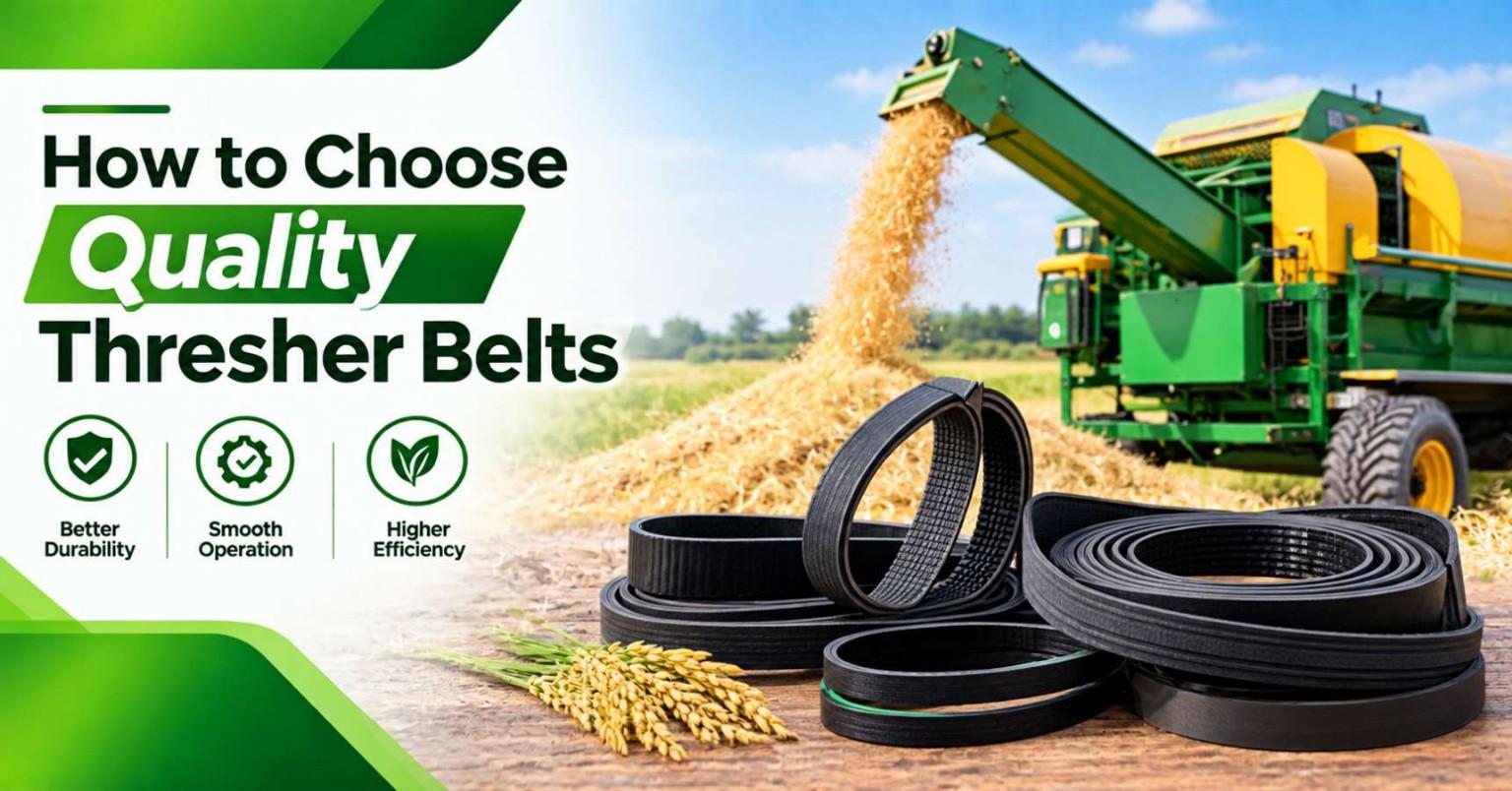
Learn how to choose quality thresher belts by checking size, profile, construction, load, heat resistance, compatibility, tension and belt wear.
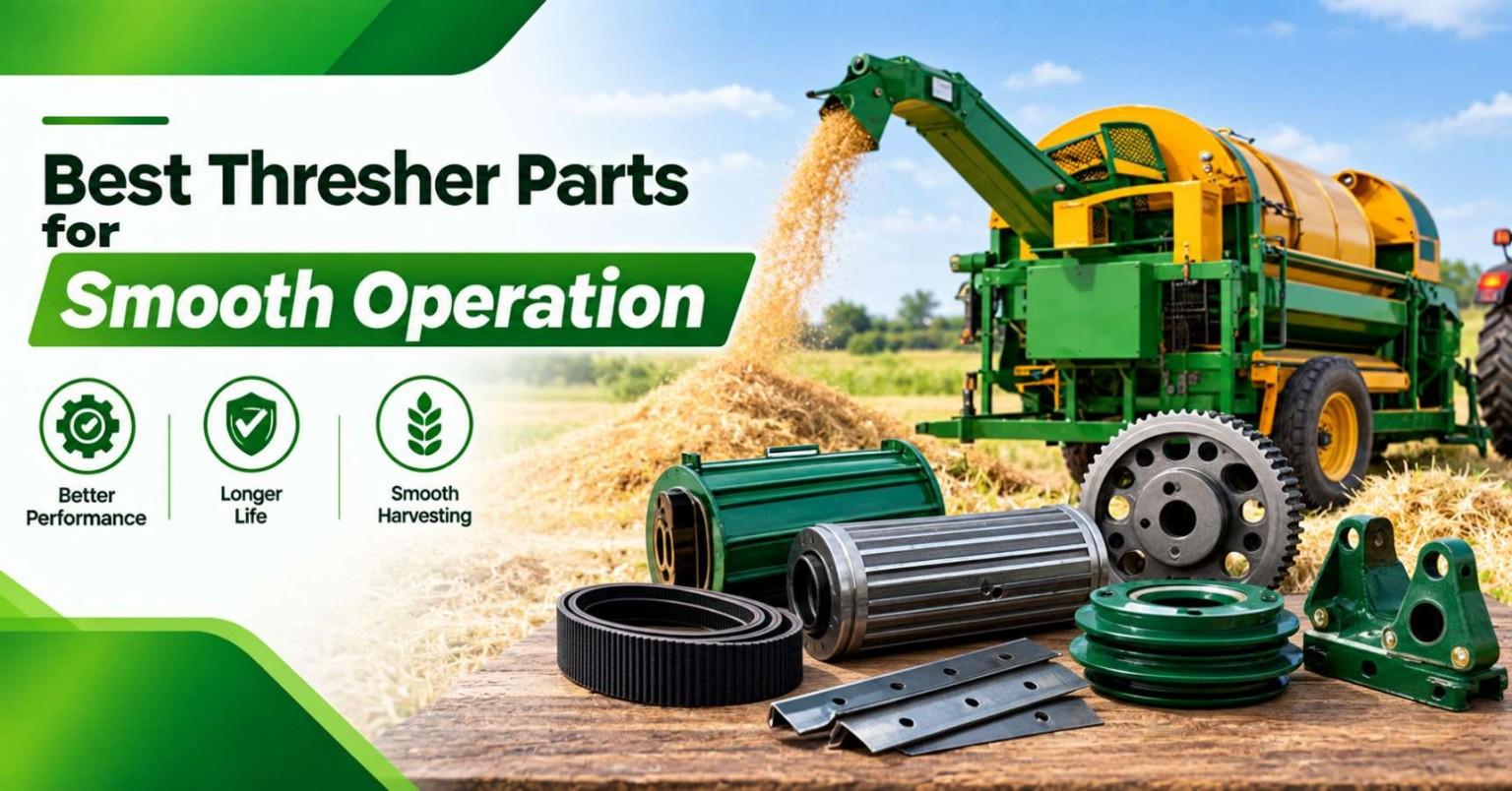
Learn about essential thresher spare parts including drums, beaters, bearings, belts, pulleys, shafts, sieves and filters for smooth machine operation